

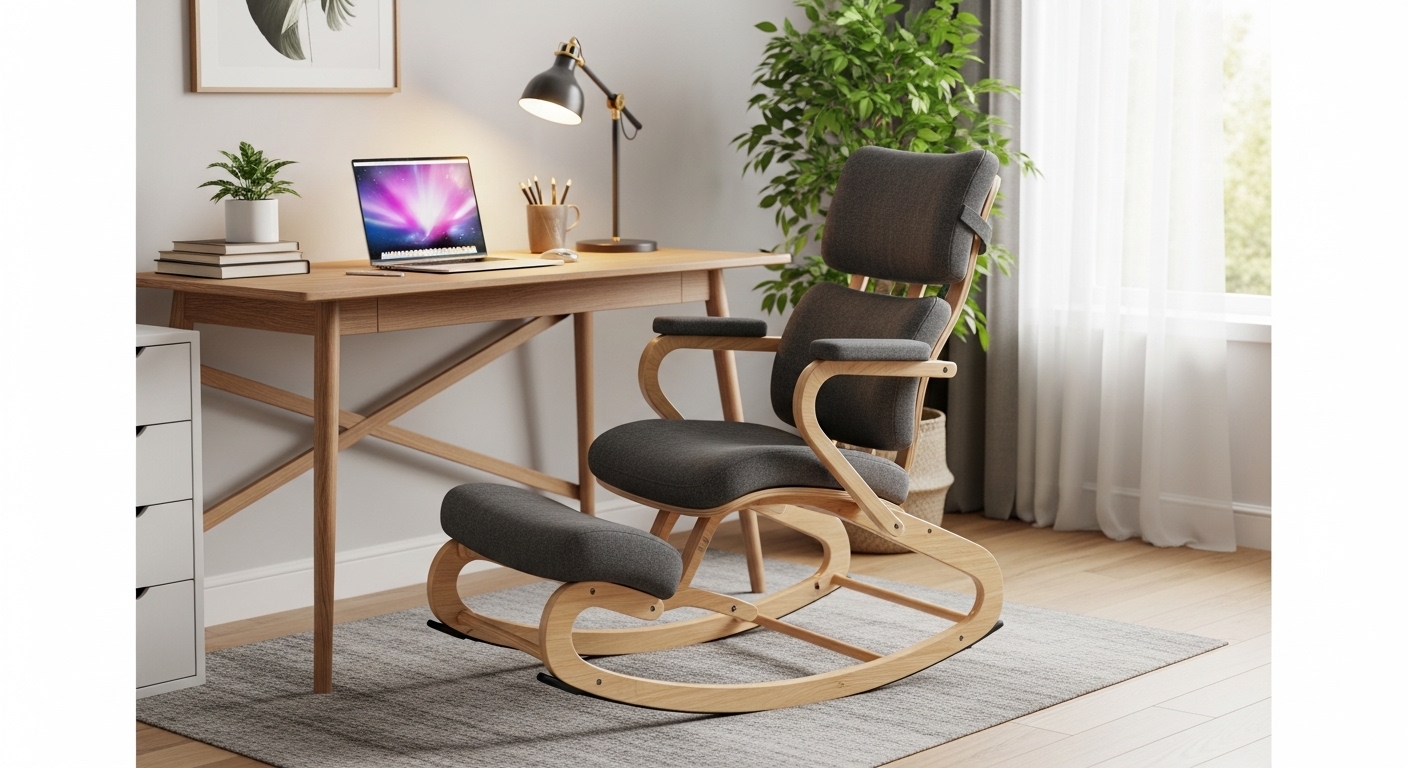
Sitting at a desk for long periods can take a massive toll on your spine and overall posture. Standard office chairs often encourage slouching, which leads to chronic discomfort over time.
If you want to revolutionize your workspace, active sitting might be the answer you need. Learning how to choose an ergonomic kneeling chair is your first step toward pain free productivity.
The Science of Active Seating and Posture
An ergonomic kneeling chair works by altering your pelvic tilt to a more natural position. Traditional chairs keep your hips at a tight ninety degree angle which can flatten the natural curve of your lower back.
By sloping the seat forward, a kneeling chair opens up your hips to a wider angle. This open posture naturally aligns your spine and strengthens your core muscles while you work.
Understanding the Hip Angle
A wider hip angle of roughly one hundred and thirty five degrees reduces pressure on your spinal discs. This position allows your body weight to be distributed more evenly between your buttocks and your shins.
Your pelvis tilts forward, which encourages your upper body to maintain an upright posture. This reduces the tendency to slouch forward toward your computer monitor.
This dynamic seating arrangement ensures your body remains engaged during the day. Over time, your core strength improves naturally without requiring dedicated workout sessions.
Key Criteria to Evaluate Before Buying
Selecting the right model requires looking closely at several design factors. Not all kneeling chairs are built the same way, and comfort levels can vary wildly.
You must prioritize high quality materials that can support your body daily. Let us break down the essential features you need to examine before making a purchase.
Frame Material and Construction Stability
The frame of your chair dictates its stability, longevity, and weight capacity. Most manufacturers use either wood or metal to construct these unique seating options.
Wooden frames offer natural flexibility and a classic aesthetic. Many users prefer bent wood because it provides a gentle bounce that encourages subtle movement during your work hours.
Metal frames are exceptionally sturdy and often support higher weight capacities. Steel or aluminum frames usually feature more mechanical adjustment points, which can be highly beneficial for customization.
Cushion Thickness and Foam Quality
Your shins and buttocks will bear the brunt of your weight on a kneeling chair. Cheap, thin foam will flatten quickly and cause pain within minutes of sitting.
Look for cushions with high density foam that maintains its shape over time. Memory foam is also an excellent option as it contours to your body and relieves pressure points.
The thickness of the knee pads should be at least three inches. This ensures that your shins remain comfortable even during extended working sessions.
Adjustability Options and Customization
A major drawback of basic models is the lack of adjustability. To find your perfect fit, look for a chair that allows you to change the seat height and the distance between the pads.
Adjustable angles are crucial because everyone has different leg lengths. Being able to fine tune the angle of the seat allows you to customize the weight distribution between your hips and knees.
Some advanced designs utilize hydraulic gas lifts for effortless height adjustments. Others rely on a manual screw mechanism, which is slower but highly reliable.
Evaluating Different Types of Kneeling Chairs
Kneeling chairs come in several distinct configurations. Understanding the differences will help you choose the style that fits your workflow.
Each style has distinct advantages and disadvantages depending on your office habits. Let us look at the primary categories available on the market.
Rocking Kneeling Chairs
Rocking chairs feature curved wooden runners instead of wheels or a flat base. This design encourages continuous gentle rocking motions while you work.
The main benefit of a rocking motion is active sitting. Your core muscles remain engaged, which boosts blood circulation and keeps you alert throughout the afternoon.
However, rocking chairs can be difficult to get in and out of. They also lack wheels, which means you cannot easily roll around your desk to grab items.
Wheeled Kneeling Chairs
Wheeled models are built on a metal frame with rolling casters. These chairs function more like traditional office seating because they allow easy mobility.
You can easily glide across your workspace to reach files or adjust your monitor. Most wheeled versions also feature excellent height adjustment mechanisms.
The downside is that they do not encourage as much physical movement as rocking models. Your body remains relatively static, although your posture is still greatly improved.
Saddle Kneeling Chairs
Saddle designs combine a saddle style seat with shin rests. This hybrid style further opens up your pelvis and keeps your legs wider apart.
This configuration is ideal for individuals who experience severe lower back tension. The saddle shape forces your posture into an even more upright stance.
On the negative side, saddle seats can feel very unusual at first. They require a longer transition period before your body fully adapts to the unique pressure points.
Pros and Cons of Kneeling Chairs
Before replacing your primary office chair, you must weigh the benefits against the potential drawbacks. Kneeling chairs are fantastic tools, but they are not universal solutions.
Using these chairs correctly requires an understanding of how they affect your body over time. Let us explore the advantages and limitations of this seating style.
The Main Advantages
The primary benefit of a kneeling chair is the immediate correction of slouching. By positioning your pelvis correctly, your spine naturally aligns without requiring conscious effort.
This posture strengthens core muscles over time. Your abdominal and back muscles must engage to keep you upright, which builds strength during your normal workday.
Additionally, opening your chest cavity allows for deeper breathing. This increased oxygen intake can improve your focus and reduce afternoon fatigue.
The Main Drawbacks
The most common complaint is shin discomfort. Your knees are placed in a deep bend, which can restrict blood flow if you sit for too long without breaks.
Kneeling chairs also limit your leg positions. You cannot easily cross your legs or stretch them out under your desk as you would in a standard chair.
They can also cause your legs to feel hot because of the constant contact with thick cushions. It is vital to take regular standing breaks to mitigate these issues.
Budget Considerations and Quality Indicators
Kneeling chairs are available at various price points. Understanding what you get for your money will prevent you from making a poor investment.
In 2026, many brands offer competitive features even at entry levels. However, investing a bit more often yields significant ergonomic benefits.
Entry Level Options
Budget models are typically made from lightweight metal or basic pine wood. They usually have thinner cushions and very limited adjustment features.
These chairs are fine for part time use or as a secondary seating option. They are not recommended for full eight hour workdays because the foam will degrade quickly.
Mid Range Options
Mid range chairs offer a great balance of comfort and durability. You will find thicker memory foam cushions and sturdier frames made of steel or birch plywood.
These models often feature basic height adjustability or rocking frames. They are suitable for daily use in a home office setup.
Premium Options
High end models are designed by ergonomic experts and utilize premium materials. They feature top tier fabrics, sustainably sourced hardwoods, and highly customizable adjustments.
These chairs provide the best posture support and durability. They are built to last for many years and offer superior comfort during long working sessions.
Who Should Avoid Kneeling Chairs
While kneeling chairs are excellent for many, they are not suitable for everyone. Certain physical conditions can make using a kneeling chair uncomfortable or even painful.
If you have pre existing knee or hip injuries, you should consult a doctor before purchasing. The deep bend required by the shin pads can exacerbate joint issues.
People with limited mobility may also struggle to get into and out of these chairs safely. Standard chairs with mechanical lifts are a safer choice for these individuals.
How to Successfully Transition to a Kneeling Chair
You should not expect to sit in a kneeling chair for eight hours on your very first day. Your body needs time to build the necessary core strength and adapt to the new pressure points.
Start by using your new chair for just thirty minutes at a time. Swap it with your standard office chair throughout the day to give your muscles a rest.
Gradually increase your usage over several weeks. This slow transition will prevent muscle soreness and ensure long term success with your new setup.
Setting Up Your Desk
Using a kneeling chair alters your seated height and eye level. You will likely need to adjust your desk height and your monitor position to maintain proper ergonomics.
Ensure that your elbows remain at a ninety degree angle when typing. Your monitor should be at eye level so that you do not tilt your head downward.
Summary of Key Features to Check
To make your final decision easier, compile a quick checklist of your must have features. Comparing these elements across different models will ensure a wise purchase.
Focus on your specific physical needs and the layout of your home office. Here is a handy list of factors to keep in mind when shopping.
- Check the maximum weight capacity of the frame.
- Verify the thickness and type of the seat and knee cushions.
- Determine if you prefer a rocking base or rolling wheels.
- Look for height and angle adjustments to customize your fit.
- Ensure the materials match your aesthetic preferences and home decor.
Conclusion
Investing in your spinal health is one of the smartest decisions you can make for your career. A kneeling chair offers a powerful way to combat the negative effects of a sedentary lifestyle.
By understanding how to choose an ergonomic kneeling chair, you can select a model that supports your body and boosts your energy levels.
Take your time during the transition period, listen to your body, and enjoy the benefits of active sitting.