

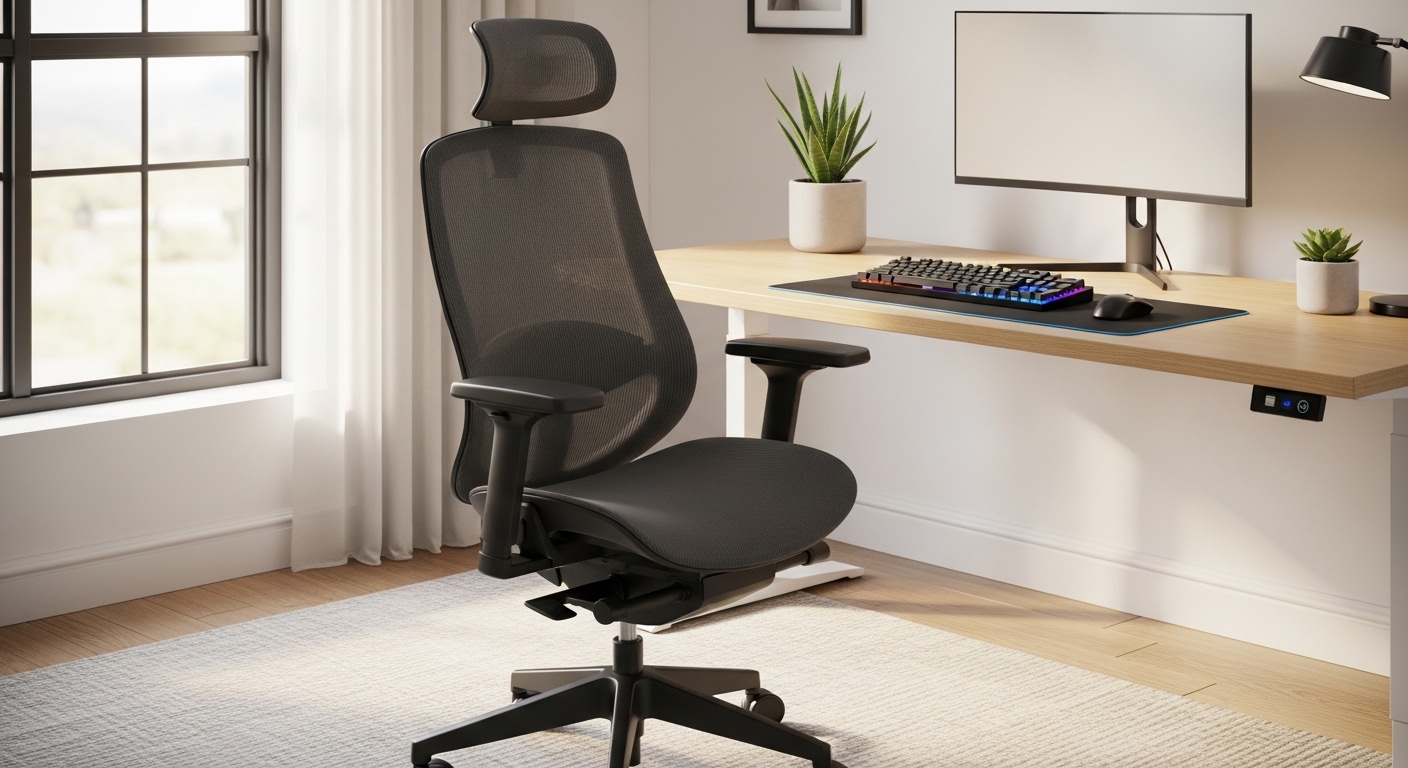
Many professionals spend more than eight hours a day sitting at their desks. This prolonged sitting can lead to severe discomfort and poor posture over time.
An ergonomic seat cushion offers an affordable way to upgrade your workspace comfort. It can transform an uncomfortable office chair into a supportive haven for your body.
The Silent Impact of Sitting on Your Spine
Sitting is a passive activity that places incredible pressure on your lumbar spine. Over several hours, your pelvic floor and lower back muscles begin to fatigue.
This fatigue leads to slouching, which further compresses your spinal discs. Finding the right support is crucial for your long term comfort and spinal alignment.
An ergonomic cushion helps distribute your body weight more evenly across the chair seat. This simple addition can drastically reduce the stress placed on your tailbone and hips.
How to Choose an Ergonomic Seat Cushion for Your Setup
Finding the perfect support accessory requires understanding your specific physical needs. In this guide, we will explore how to choose an ergonomic seat cushion that fits your daily routine.
You must consider several elements, including your body weight, chair type, and pain points. Let us dive into the core features that separate standard pillows from true orthopedic supports.
Understanding the Key Material Choices
The material inside your cushion determines how well it supports your weight over time. Different materials offer unique benefits for pressure relief and durability.
Memory Foam Cushions
Memory foam is highly popular because it contours perfectly to the shape of your body. This heat sensitive material softens in response to your body warmth to provide personalized comfort.
It is excellent for pressure relief and helps distribute your weight across a wider area. However, lower quality memory foam can trap body heat and become uncomfortably warm during long summer days.
Gel Infused Cushions
Gel cushions use specialized polymer grids or gel layers to promote airflow. This design keeps the seat surface cool while offering firm, consistent support.
The elastic properties of gel allow the cushion to bounce back instantly when you stand up. This material is highly durable and does not lose its shape even after years of continuous use.
Natural Latex Options
Natural latex is derived from rubber trees and offers a highly responsive feel. It provides a buoyant support that keeps you floating on top of the seat rather than sinking deep into it.
Latex is naturally hypoallergenic, breathable, and highly resistant to dust mites. It is an excellent choice for eco conscious professionals who prefer a firmer, springy support system.
Inflatable and Air Cell Cushions
Inflatable options allow you to adjust the firmness by adding or releasing air. This flexibility makes them highly customizable for different users and seating surfaces.
They are also incredibly lightweight and easy to pack for travel. However, they may lack the luxurious contouring feel that high density foam provides.
Core Shapes and Ergonomic Designs
The physical shape of the cushion determines which areas of your body receive the most pressure relief. Different designs target specific orthopedic concerns.
The Coccyx Cutout Design
This popular shape features a small rear cutout that suspends your tailbone in the air. By keeping your coccyx elevated, it prevents direct pressure on the base of your spine.
It is highly recommended for individuals suffering from lower back pain or sciatica. This shape naturally encourages a more upright sitting posture.
The Wedge Shape Design
Wedge cushions feature a sloped design that is higher in the back and thinner in the front. This slope tilts your pelvis forward and restores the natural curve of your lumbar spine.
It helps open up your hip angle, which improves blood circulation in your lower body. This design is ideal for deep office chairs that cause you to slouch.
The Ergonomic Donut Shape
Donut cushions feature a circular design with a hollow center. This specific geometry is designed to eliminate pressure on the pelvic floor and sensitive lower areas.
It is highly effective for post surgery recovery or specific medical conditions. However, it is less suited for general back pain relief compared to coccyx models.
Essential Buying Criteria to Consider Before Purchasing
Not all cushions are created equal, and several small details can make or break your experience. Let us analyze the technical specifications you should check.
Density and Weight Capacity
The density of the foam determines how much support it actually provides. High density foam holds its shape under pressure, whereas low density foam will quickly bottom out.
Ensure you check the maximum weight guidelines provided by the manufacturer. A cushion that is too soft will fail to elevate your hips sufficiently.
Cover Breathability and Maintenance
Sitting on a cushion for hours can lead to heat buildup and sweat. Look for covers made from breathable mesh fabric or organic cotton to keep you cool.
Additionally, ensure the cover features a zippered design so you can easily remove it for washing. Regular maintenance keeps your workspace hygienic and smelling fresh.
Slip Resistant Base
A cushion that slides around on your chair will constantly ruin your posture. Look for models that feature a textured, slip resistant bottom surface.
Some advanced cushions also include adjustable straps to secure the unit tightly to your office chair. This prevents the cushion from shifting when you stand up or sit down.
Anatomy of the Human Pelvis While Sitting
To truly understand how a cushion works, we must look at human anatomy. Your body is designed to rest on the ischial tuberosities, commonly known as your sit bones.
Standard flat chairs force your pelvis to tilt backward, flattening the natural curve of your lower back. A properly contoured cushion supports these sit bones while allowing your pelvis to tilt slightly forward.
This anatomical alignment reduces the workload on your spinal muscles. It allows you to maintain a healthy posture effortlessly without constantly correcting your position.
The Importance of Cushion Thickness
The thickness of a cushion directly affects your entire workstation ergonomics. A cushion that is too thick will raise your seat height significantly.
This elevation can throw off the alignment of your armrests, desk height, and monitor level. You must ensure your office chair has enough adjustable height range to compensate for this change.
Conversely, a cushion that is too thin will compress completely, offering no support at all. A thickness of two to three inches is generally the ideal sweet spot for most users.
Pros and Cons of Different Cushion Types
To make an informed decision, it helps to compare the advantages and disadvantages of each primary material. Every design has specific trade offs you must consider.
Memory Foam Pros and Cons
- Excellent body contouring for customized pressure relief
- Wide availability of shapes and sizes
- Can retain body heat during warm days
- May become stiff in cold environments
Gel Grid Pros and Cons
- Outstanding breathability and cooling properties
- Highly durable material that does not bottom out
- Often heavier and less portable than foam
- Provides a firmer feel that some users might find too hard
Inflatable Cushions Pros and Cons
- Extremely portable and ideal for travel or commuting
- Adjustable firmness levels to suit your personal preference
- Risk of punctures and air leaks over time
- Lacks the luxurious, supportive feel of solid foam
Understanding Your Specific Orthopedic Needs
Your choice of cushion should align directly with your daily physical challenges. Different patterns of pain require different ergonomic solutions.
If you suffer from sciatic nerve pain, a coccyx cutout cushion is generally the most effective choice. It relieves pressure on the sciatic nerve while encouraging pelvic stability.
For general hip tightness, a memory foam wedge cushion can help by opening your hip flexors. Always consult with a physical therapist if you experience chronic spinal pain.
How Your Chair Type Influences Your Choice
The cushion you choose must work in harmony with your existing office chair. A cushion that is too thick can raise your seating position too high.
If your seat height is not adjustable, a thick cushion might cause your knees to hit the underside of your desk. Ensure your chair can be lowered to accommodate the added height.
For deep bucket seats, a larger wedge cushion can fill the rear gap and provide better lumbar support. For shallow chairs, a thinner, high density gel pad is often ideal.
Cover Fabrics: Aesthetics and Functionality
The external cover is the only part of the cushion that makes direct contact with your body. Choosing the right fabric is essential for comfort and skin health.
Velvet covers offer a luxurious, soft feel that feels great in air conditioned rooms. Mesh covers provide the absolute best ventilation, keeping your skin dry during long sessions.
If you plan to use the cushion in your car, look for a UV resistant fabric. This ensures the material will not fade or deteriorate under direct sunlight.
How to Test Your New Seat Cushion
When your new cushion arrives, you should test it properly to ensure it fits your body. Sit on the cushion for at least thirty minutes without moving.
Pay close attention to whether you feel the hard surface of the chair underneath. If you feel the chair, the cushion density is too low for your weight.
Your hips should feel elevated, and your knees should sit slightly lower than your hips. This angle is the key to maintaining a relaxed and pain free lower back.
Budget Considerations and Cost Versus Value
Ergonomic seat cushions are available at a wide range of price points. It is important to balance initial cost with long term durability.
Inexpensive cushions often use low grade foam that loses its supportive qualities within a few months. Investing in a premium, medical grade cushion is far more cost effective over time.
High quality materials will maintain their shape for years, protecting your posture and preventing pain. Consider this purchase an investment in your daily productivity and health.
Ergonomic Workspace Trends in 2026
The science of healthy sitting continues to evolve rapidly. In 2026, many ergonomic designs focus on active sitting and dynamic support.
Modern seat cushions incorporate smart materials that adapt instantly to your micro movements throughout the workday. These advanced systems help prevent muscle stiffness and encourage subtle core engagement.
Additional Ergonomic Accessories to Pair with Your Cushion
While a great seat cushion is a fantastic start, it works best as part of a complete ergonomic system. Consider pairing your cushion with a dedicated lumbar support roll.
This combination ensures both your pelvic base and your lower back curve receive optimal support. An ergonomic footrest can also help keep your knees at the perfect ninety degree angle.
By creating a comprehensive support system, you can eliminate fatigue and focus on your work with absolute comfort.
Summary and Final Verdict
Choosing the perfect seat cushion does not have to be a complicated process. By focusing on material quality, shape, and compatibility with your chair, you can find the ideal match.
Prioritize high density memory foam or gel if you sit for long hours every day. Remember to check for a washable cover and a slip resistant base to ensure long term satisfaction.
Your body will thank you for making this simple, effective upgrade to your daily home office routine.