

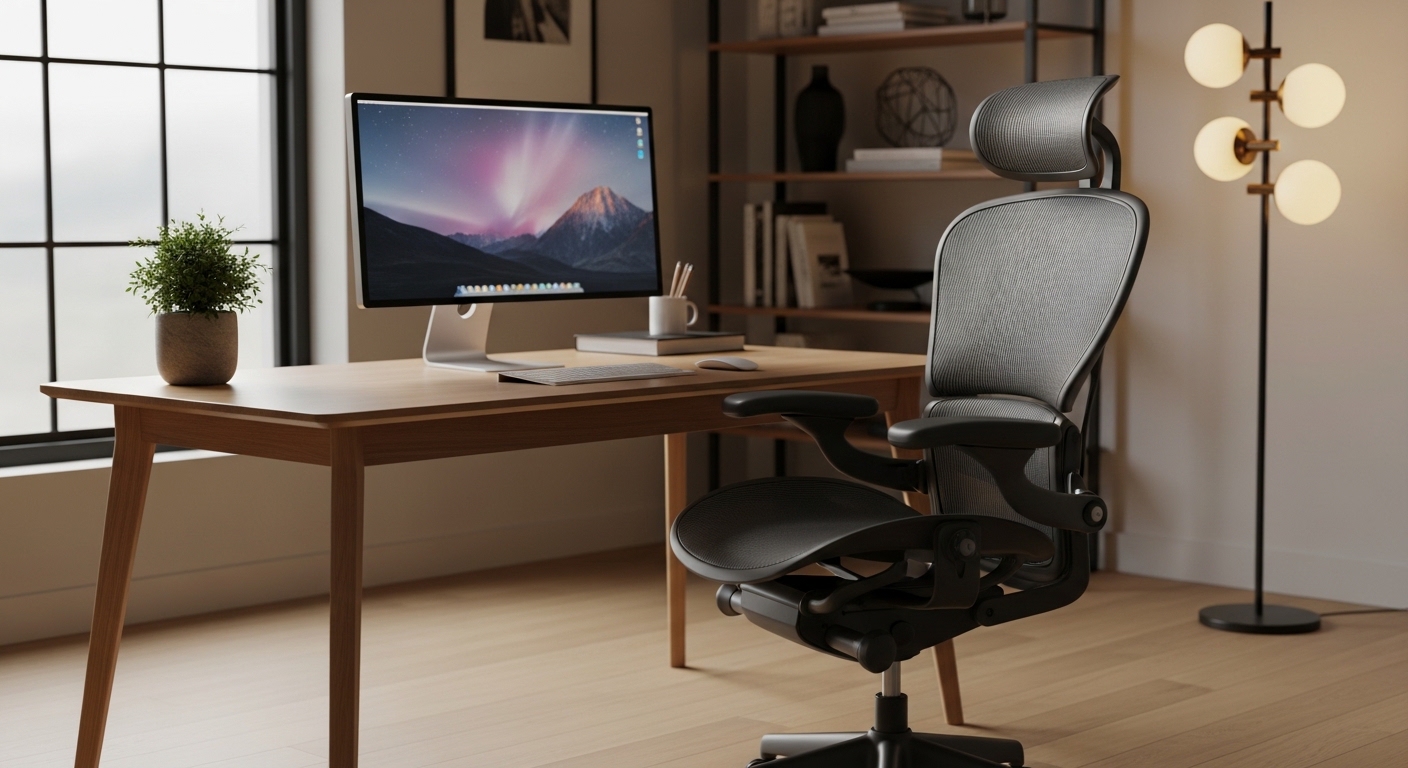
Introduction to Workplace Ergonomics
Investing in your professional health begins with the foundation of your workstation. Most knowledge workers spend thousands of hours each year sitting at a desk.
Finding the right seating solution is not just about comfort during the first hour. It is about protecting your musculoskeletal system over the course of a long career.
Understanding how to choose an ergonomic office chair requires a deep dive into human physiology and mechanical engineering. A chair should act as a dynamic partner that adapts to your movements.
The goal of ergonomics is to fit the task to the person. In the context of a home office, this means the chair must accommodate your unique physical dimensions perfectly.
Poor seating choices often lead to chronic pain and reduced focus. By following this guide, you will learn to identify the technical specifications that matter most.
As we approach the era of 2026, the integration of advanced materials and smart adjustments has reached a new peak. This article explores the premium features that define modern ergonomic excellence.
The Importance of Lumbar Support Systems
The human spine naturally forms an inward curve at the lower back region. Maintaining this curve is essential for preventing structural strain on your spinal discs.
A high quality chair must provide a dedicated mechanism to support this lumbar region. Without it, the muscles in your back will fatigue and eventually lead to slouching.
Integrated lumbar support should be both height adjustable and depth adjustable. This allows you to pinpoint the exact location of the support against your vertebrae.
Some premium models utilize a dynamic backrest that reacts to your weight. This ensures the support remains constant even when you shift your sitting position.
You should feel a firm but comfortable pressure in the small of your back. This pressure helps maintain the natural S shape of your spine while you work.
Static lumbar supports are often insufficient for long work sessions. Look for systems that offer a wide range of movement to suit different spinal lengths.
Understanding Seat Height Adjustability
The height of your seat determines the alignment of your entire lower body. A pneumatic adjustment lever is a standard but critical component of any ergonomic design.
Your feet should always rest flat on the floor or a footrest. This position distributes your weight evenly across your hips and thighs.
Pneumatic gas lifts allow for smooth transitions between different heights. Ensure the lift mechanism is rated for your specific weight to maintain longevity.
When your seat is at the correct height, your knees should be at a ninety degree angle. This prevents pressure from building up behind your knees and obstructing blood flow.
If the chair is too high, you will likely slide forward to reach the floor. This movement creates a gap between your back and the lumbar support system.
If the chair is too low, your knees will be higher than your hips. This posture puts excessive pressure on the sit bones and can cause discomfort over time.
Seat Depth and the Sliding Seat Pan
Seat depth refers to the distance between the front edge of the seat and the backrest. Many people overlook this feature when they evaluate a new chair purchase.
A sliding seat pan allows you to move the seat forward or backward independently. This is crucial for users of different heights to find a safe position.
You should be able to sit with your back against the backrest while leaving a small gap. This gap should be about two to four fingers wide between the seat and your calves.
If the seat is too deep, it will press against the back of your knees. This pressure can lead to numbness or even deep vein thrombosis in extreme cases.
If the seat is too shallow, your thighs will not be properly supported. This lack of support increases the load on your lower back and hips during the day.
The Role of Seat Width and Padding
The width of the seat should accommodate your frame with enough room for slight movements. Most standard chairs provide a width between seventeen and twenty inches.
Padding quality is just as important as the dimensions of the seat itself. High density foam or cold cured foam is generally superior to standard sponge materials.
Cold cured foam retains its shape for years without sagging or losing its supportive properties. This material provides a consistent feel during long periods of use.
Some users prefer a mesh seat which offers a different type of weight distribution. Mesh eliminates pressure points by suspending the user on a flexible membrane.
However, the frame of a mesh seat can sometimes be felt by the user. Ensure the frame is well padded or wide enough to avoid contact with your thighs.
Advanced Armrest Functionality
Armrests serve to take the weight off your shoulders and neck muscles. Without them, your arms pull on your upper trapezius muscles throughout the day.
Modern ergonomic chairs often feature what is known as 4D armrests. These allow for adjustments in height, width, depth, and horizontal angle.
Adjustable 4D armrests provide the highest level of customization for different tasks. You can move them inward for typing or outward for relaxed reading.
Your elbows should rest lightly on the armrests while your shoulders remain relaxed. The height should allow your forearms to be parallel to the desk surface.
Avoid armrests that are too hard or have sharp edges. Soft touch materials or capped padding will prevent irritation on your ulnar nerves at the elbow.
Fixed armrests are generally not recommended for professional ergonomic setups. They rarely align perfectly with the height of the desk and the user simultaneously.
Backrest Tilt and Recline Mechanisms
Sitting in a static position for hours is detrimental to your spinal health. A backrest that allows for movement encourages blood flow and muscle engagement.
The tilt mechanism determines how the chair reclines and how much effort is required. A tension control knob allows you to adjust the resistance of the recline.
Synchro tilt mechanisms are considered the gold standard for high end office chairs. This design moves the seat and backrest at different ratios during a recline.
Typically, the backrest tilts two degrees for every one degree the seat tilts. This keeps your feet flat on the floor even when you lean back to stretch.
Simple tilt mechanisms move the seat and back together like a rocking chair. This can lift your feet off the ground and put pressure on your thighs.
Look for a chair that offers multiple tilt lock positions. This allows you to secure the chair at various angles for different types of work or relaxation.
Tilt Tension and Forward Tilt
Tilt tension is a feature that many users fail to adjust properly. It should be set so that you can recline effortlessly without feeling like you are falling.
A forward tilt feature is beneficial for those who lean toward their screen while typing. This small adjustment rotates the pelvis forward and keeps the spine aligned.
Using a forward tilt can reduce the pressure on your lower back during intense focus sessions. However, it should be used sparingly to avoid leg fatigue.
Material Choices: Mesh vs Fabric vs Leather
The choice of upholstery affects both the durability and the thermal comfort of the chair. Each material has distinct advantages depending on your environment.
Mesh is highly popular in modern offices due to its exceptional breathability. It allows air to circulate around your body, keeping you cool in summer months.
Breathable mesh fabrics also conform to the shape of your back. This provides a custom fit that traditional foam and fabric combinations cannot always match.
Fabric chairs offer a traditional feel and a wide variety of aesthetic options. They are often more cushioned and provide a sense of warmth in cooler climates.
Leather and high quality synthetic alternatives provide a premium look and feel. They are very easy to clean but can become hot and sticky during long sessions.
Consider your local climate and personal preference for tactile feedback. A chair that feels good against your skin will improve your overall work experience.
The Foundation: Base and Casters
The base of the chair provides the necessary stability for all other ergonomic features. A five star base is the industry standard for preventing the chair from tipping over.
Bases can be made from nylon, aluminum, or steel. Aluminum and steel bases offer superior durability and a more premium aesthetic for professional environments.
Heavy duty casters are essential for moving smoothly across your office floor. The type of wheel you need depends entirely on your flooring surface.
Hard casters are designed for carpeted floors to provide enough grip and movement. They are usually made of hard plastic that glides through carpet fibers.
Soft casters feature a rubberized coating that protects hard surfaces like wood or tile. These wheels operate quietly and prevent unsightly scratches on your floor.
Always verify the weight capacity of the base before making a final decision. A sturdy foundation ensures the chair remains safe and functional for many years.
The Importance of Headrests in Ergonomics
While not every user requires a headrest, it can be a vital addition for some. A headrest provides support for the cervical spine when you are in a reclined position.
This feature is particularly useful for those who spend time on long video calls or reading. It allows the neck muscles to relax while maintaining a neutral head position.
Adjustable headrest height ensures that the support fits in the curve of your neck. It should not push your head forward or feel intrusive during active typing.
Users who prefer an upright posture may find a headrest unnecessary for their daily tasks. However, it adds a layer of versatility to the chair for various work modes.
Pros and Cons of Different Ergonomic Designs
Task chairs are the most common type found in modern home offices. They focus on functionality and offer the widest range of ergonomic adjustments.
Versatile task chairs are ideal for most professionals because they prioritize health over status. They usually feature mesh backs and slim profiles for better airflow.
Executive chairs are often larger and more heavily padded than task chairs. They provide a sense of prestige but sometimes sacrifice adjustability for aesthetic appeal.
The bulk of an executive chair can make it difficult to achieve a perfect ergonomic fit. These models are often better suited for shorter meetings than for full work days.
Draughting chairs or stools are designed for higher surfaces like standing desks. They include a foot ring to support your legs while sitting at an elevated height.
Each design has its place, but for pure productivity, the task chair remains supreme. It offers the most precise control over your physical posture and comfort.
How to Test a Chair Before Buying
If possible, you should always try to sit in a chair before committing to a purchase. Physical testing allows you to feel the tension of the springs and the quality of the mesh.
Spend at least twenty minutes in the chair to let your body settle into the cushions. Often, a chair that feels good for one minute can become uncomfortable after ten.
Testing adjustment levers ensures that they are easy to reach and operate. You should not have to strain or stand up to change your sitting position.
Listen for any squeaks or rattles while you move around in the seat. High quality construction should be silent and feel solid under your weight.
If you are buying online, check the return policy carefully before ordering. A generous trial period is a sign of a manufacturer that stands behind their product quality.
Understanding Weight and Height Capacity
Ergonomic chairs are engineered with specific user profiles in mind. Most chairs are designed for the average height and weight ranges of the population.
If you are particularly tall or short, you must look for specialized dimensions. Standard gas lifts may not go high enough or low enough for your needs.
Detailed size charts provided by manufacturers should be consulted before you buy. This ensures that the lumbar support and headrest will align with your body.
Budgeting for Your Ergonomic Investment
Price points for ergonomic chairs vary wildly from entry level models to high end luxury. It is important to view this purchase as an investment in your long term health.
Entry level chairs often provide basic height and tilt adjustments. While they are better than a kitchen chair, they may lack the durability needed for daily use.
Mid range ergonomic chairs typically offer the best value for home office workers. They include most essential adjustments and use higher quality foam and fabric.
Premium chairs represent the pinnacle of engineering and material science. These models often come with warranties spanning ten to twelve years of use.
The higher upfront cost of a premium chair is often offset by its extreme longevity. Replacing a cheap chair every two years is more expensive than buying one great chair.
Consider your daily usage hours when deciding on a budget for your setup. If you sit for eight hours a day, the cost per hour of a premium chair is very low.
Longevity and Warranty Considerations
The warranty of a chair is a strong indicator of its overall build quality. Premium manufacturers often cover the frame, mechanisms, and even the fabric for many years.
A comprehensive manufacturer warranty protects you from defects in the gas lift or tilt mechanism. These are the parts most likely to fail over time due to friction.
Check if the warranty includes on site repair or if you must ship the chair back. Shipping a heavy office chair can be expensive and inconvenient for the user.
Higher quality chairs are also easier to maintain and clean over their lifespan. Parts like casters or armrest pads should be easily replaceable if they wear out.
Environmental Impact and Sustainability
Sustainability is becoming an important factor in the furniture industry. Many modern chairs are made from recycled plastics and aluminum components.
A sustainable manufacturing process reduces the carbon footprint of your home office. Look for certifications that indicate low chemical emissions from the materials used.
Chairs that are designed for disassembly are easier to recycle at the end of their life. This circular design philosophy ensures that materials do not end up in a landfill.
Investing in a durable chair is also an act of sustainability in itself. By avoiding frequent replacements, you reduce the overall waste generated by your workspace.
Conclusion: Final Verdict on Selection
Learning how to choose an ergonomic office chair is a vital skill for the modern professional. It requires balancing mechanical features, material science, and personal comfort.
Prioritize the core pillars of ergonomics like lumbar support and seat depth. These features have the most significant impact on your spinal health and comfort.
Do not be swayed by flashy designs that lack fundamental adjustability options. A chair that looks futuristic is useless if it causes pain after four hours of work.
Take the time to measure your desk height and your own physical dimensions. This data will guide you toward a chair that fits you like a custom tailored suit.
Your chair is the most important tool in your home office lab. Choosing wisely will enhance your productivity and protect your physical well being for years to come.
A well chosen seat allows you to focus on your work rather than your discomfort. Make the investment in yourself and experience the difference that true ergonomics can make.