

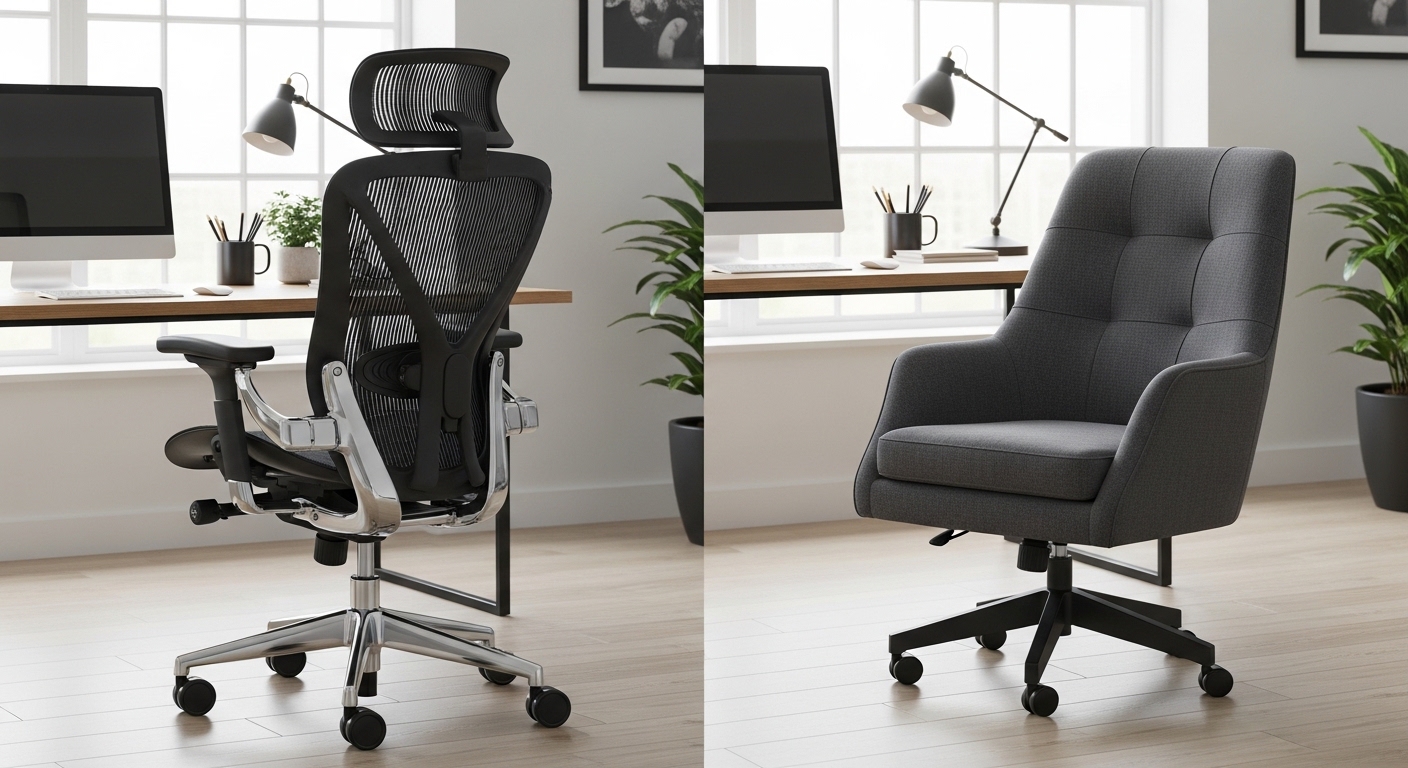
Finding the perfect seating solution involves many complex decisions for your home workspace. One of the most important choices you will face is selecting the material for your primary chair.
Many professionals find themselves choosing between mesh and fabric office chairs when upgrading their equipment. This choice impacts your comfort, posture, and daily productivity levels significantly.
The Home Office Lab provides this deep dive into the technical differences of these materials. We aim to help you build a setup that supports your long term health and focus.
Both materials offer unique advantages depending on your local climate and personal preferences. Understanding the science of seating textiles is the first step toward a better workday.
The Mechanics of Mesh Seating
Mesh office chairs utilize a breathable woven material that is stretched across a rigid frame. This design eliminates the need for thick foam padding found in traditional furniture.
The primary benefit of this construction is the exceptional air circulation it provides to the user. Air flows freely through the weave to keep your back cool during intense sessions.
Mesh is often made from a blend of polyester and elastomeric fibers. These fibers allow the material to flex and return to its original shape over time.
This suspension system creates a sensation of weightless support for the occupant. It distributes your body weight across the entire surface of the backrest or seat.
High quality mesh is engineered to be supportive yet flexible. It mimics the natural curves of your spine without the bulk of heavy upholstery.
Many modern designs in 2026 focus on improving the tensile strength of these weaves. This ensures that the chair does not sag after months of heavy use.
The Anatomy of Fabric Upholstery
Fabric chairs are the traditional gold standard for office comfort and interior design. They consist of a solid base covered in foam and wrapped in soft textile material.
The variety of fabric options allows for a limitless range of colors and textures. This makes it easier to match your chair with the existing decor of your room.
Most fabric chairs use high density foam to provide a plush and cushioned experience. This padding offers a level of softness that mesh cannot replicate.
Fabric feels warm and inviting against the skin. It is an excellent choice for users who prefer a cozy and enclosed feeling while working.
The textiles used are often synthetic blends like polyester or natural fibers like wool. These materials are chosen for their softness and their ability to withstand friction.
Fabric chairs provide a familiar seating experience that many people grew up with in homes. They offer a sense of stability and traditional luxury that feels substantial.
Thermal Performance and Heat Retention
The way a chair handles body heat is a critical factor for comfort. Mesh chairs are the clear winners when it comes to thermal regulation and cooling.
Because there is no solid barrier, heat escapes easily from your body. This prevents the buildup of sweat and moisture on your back and thighs.
Fabric chairs, by contrast, act as insulators for your body. The foam padding traps air and holds onto the heat generated by your skin.
In a cold environment, this insulation is a benefit. It keeps you warm and comfortable when the room temperature drops during winter months.
However, in a warm room, a fabric chair can become uncomfortably hot. This may lead to discomfort during long shifts or in humid climates.
If you tend to run hot, prioritize mesh materials for your seating. If you are often cold, fabric will provide a more pleasant and warm experience.
Pressure Distribution and Cushioning
The way your weight is supported affects how long you can sit without pain. Mesh chairs use tension based support to hold your body in place.
This tension provides firm lumbar support that remains consistent. Some users find this firm feel helpful for maintaining an upright and alert posture.
However, some mesh seats can feel too firm for certain individuals. The frame of the chair might be felt if the mesh is stretched too thin.
Fabric chairs rely on foam compression to distribute weight. The foam contours to your specific shape to create a personalized seating surface.
This prevents specific pressure points from forming on your hips and tailbone. Quality foam can make an 8 hour workday feel much more manageable.
When selecting fabric, look for molded foam rather than cut foam. Molded foam retains its shape and supportive properties for a much longer period.
Maintenance and Long Term Hygiene
Keeping your workspace clean is essential for a healthy home office. Mesh chairs are generally easier to wipe down and keep free of stains.
Spills often pass straight through the mesh weave. This prevents the liquid from soaking into a deep layer of foam or padding.
However, mesh can accumulate dust in the hard to reach areas of the frame. You may need a vacuum with a brush attachment to keep it pristine.
Fabric chairs are more susceptible to staining and odors. Spilled coffee or food can quickly soak into the fibers and the underlying foam.
Cleaning fabric requires specialized upholstery cleaners or steam treatments. This can be more time consuming than simply wiping a plastic mesh surface.
On the positive side, many fabrics are treated with coatings to resist liquids. These protective layers make it easier to blot away spills before they become permanent.
Durability and Material Wear
The lifespan of your chair depends on the integrity of the materials used. Mesh can sometimes lose its tension after many years of supporting weight.
If the mesh sags, the chair loses its ergonomic benefits and becomes uncomfortable. Lower quality mesh is particularly prone to this type of structural failure.
Fabric chairs face the risk of foam degradation over time. The cushion may become flat or lumpy after years of daily use by the owner.
The fabric surface can also develop pilling or holes from constant friction. This can make a high quality chair look worn and unprofessional relatively quickly.
To maximize durability, check the double rub count of the fabric. A higher number indicates a material that can withstand more friction before showing wear.
For mesh chairs, look for reinforced weaves that include multiple layers. These are less likely to tear or lose their essential tension over the years.
Ergonomics and Spinal Alignment
Both chair types can offer excellent ergonomic features if they are designed well. Mesh chairs often have a more modern and anatomical shape to their frames.
The mesh follows the natural S curve of the human spine. This encourages the user to sit back and engage with the lumbar support system.
Fabric chairs often include adjustable lumbar pads tucked behind the upholstery. This allows for a more customized level of support for your lower back area.
The thickness of fabric seats can sometimes hinder blood flow if the front edge is too sharp. Look for a waterfall edge design to alleviate pressure on your legs.
Mesh chairs naturally have thinner seat profiles which can help with leg circulation. There is less material to bunch up or press against the back of your knees.
Ultimately, the adjustment mechanisms are just as important as the material. Ensure your chosen chair offers height, tilt, and armrest adjustments for a perfect fit.
Style and Professional Aesthetics
The visual impact of your chair affects the overall vibe of your room. Mesh chairs are synonymous with a high tech and modern office aesthetic.
They look light and airy, which can make a small room feel much larger. The transparent nature of the backrest reduces visual clutter in your home lab.
Fabric chairs offer a classic and executive appearance that fits well in traditional spaces. They feel more like furniture and less like a piece of lab equipment.
You can choose bold patterns or soft pastels to express your personal style. This allows the chair to serve as a focal point in your interior design.
Mesh is usually limited to neutral colors like black, gray, or white. While professional, this can feel a bit sterile for some home environments.
Consider the professional image you want to project during video calls. A sleek mesh chair says innovation, while a plush fabric chair says comfort and stability.
Choosing for Your Specific Environment
Your physical location plays a huge role in determining the best material for you. If you live in a tropical or humid area, mesh is almost always the better choice.
The ability to stay dry is vital for focus and skin health in hot weather. Fabric can become damp and uncomfortable in high humidity settings very quickly.
If you work in a heavily air conditioned office, fabric might be more pleasant. It prevents that cold draft from hitting your back while you are stationary.
Consider the clothing materials you wear most often while working at your desk. Some rough mesh weaves can be abrasive against delicate fabrics like silk or thin cotton.
Fabric is gentle on all clothing types and will not cause pilling on your favorite shirts. This makes it a safer choice for those who value their wardrobe longevity.
Pets are another crucial factor to consider when choosing your next office chair. Cat claws can easily snag mesh, while dog hair sticks to fabric like a magnet.
Actionable Checklist for Buyers
Before you make a purchase, use this comprehensive checklist to evaluate your options. It will ensure you don’t overlook a critical detail during your search.
- Test the breathability by checking the density of the mesh weave.
- Feel the foam quality by pressing down to see how quickly it recovers.
- Check for adjustable lumbar support that can be moved vertically.
- Verify the weight capacity to ensure long term structural safety.
- Look for removable covers on fabric chairs to make cleaning easier.
- Inspect the edges of mesh chairs for any hard plastic points.
- Evaluate the warranty period offered by the manufacturer for the textile.
Taking the time to compare these features will prevent buyer’s remorse later. A chair is a significant investment in your health and your professional future.
Try to sit in both types of chairs if you have the opportunity at a local showroom. Your body will often give you a clear signal about which material it prefers.
Frequently Asked Questions
Which material is better for back pain?
Both can be excellent, but mesh often provides more consistent lumbar tension. Fabric is better if you need soft cushioning for a sensitive tailbone or hips.
Does mesh wear out faster than fabric?
Low quality mesh can sag, but premium elastomeric mesh is incredibly durable. Fabric usually shows surface wear and foam flattening before high end mesh fails.
Can I use a seat cushion on a mesh chair?
Yes, you can add a separate foam cushion if the mesh feels too firm. However, this will block the air flow that makes mesh chairs desirable in the first place.
Is fabric harder to clean than mesh?
Generally, yes, because fabric absorbs liquids while mesh allows them to pass through. You will need a vacuum and specialized cleaners for a fabric chair setup.
Conclusion
Deciding on the ideal chair material is a personal journey that depends on your unique needs. There is no single answer that works for every home office enthusiast.
Mesh offers unmatched cooling and a modern look that suits fast paced environments. It is the perfect tool for staying fresh during long hours of deep work.
Fabric provides unrivaled softness and a sense of luxury that makes your office feel like home. It is a classic choice for those who value tactile comfort above all else.
By choosing between mesh and fabric office chairs carefully, you are investing in your own well being. Your back and your brain will thank you for making an informed decision.
Remember to prioritize ergonomic adjustments regardless of the material you choose for your seat. A well supported body is a productive body in any workspace configuration.