

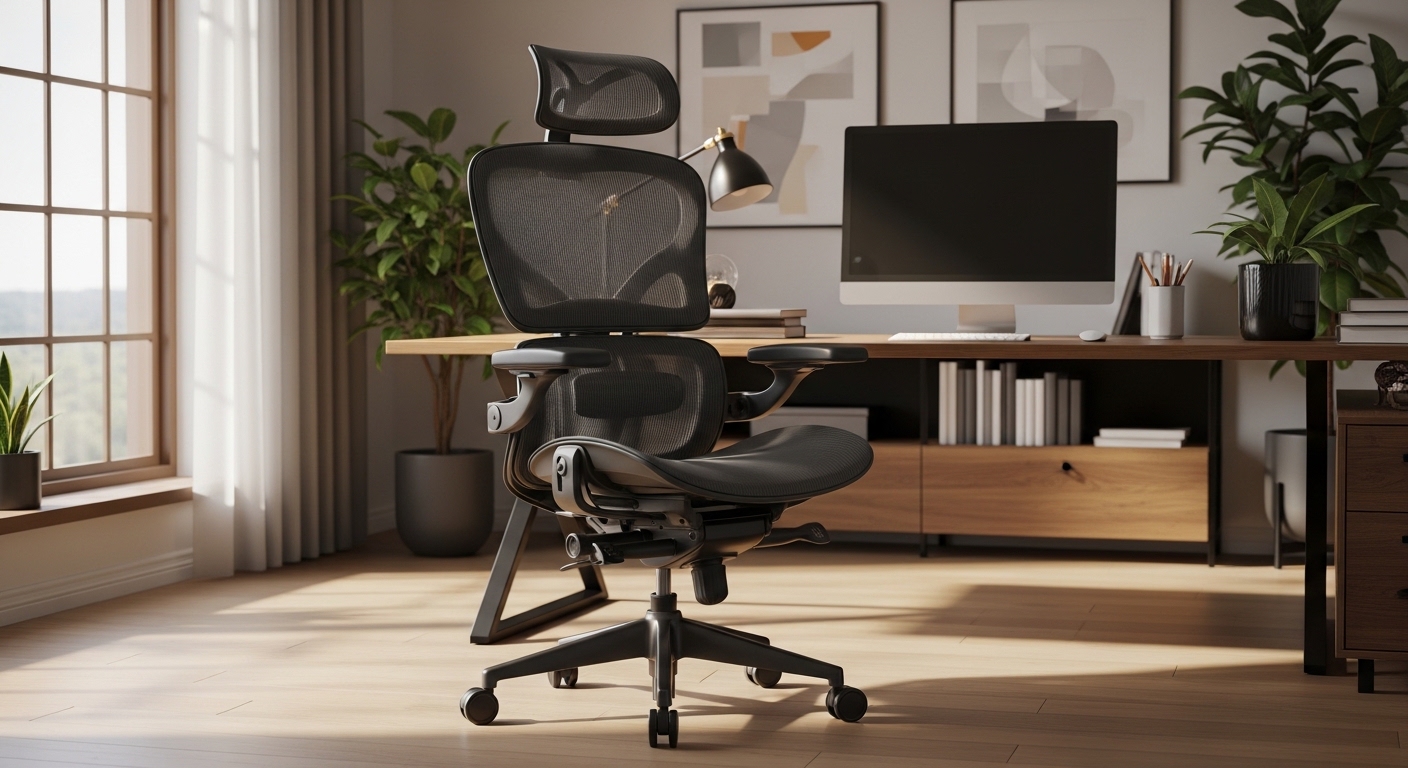
The Importance of Specialized Seating Solutions
Finding the right seat can change your professional life forever. This is especially true when searching for furniture designed to support significant weight throughout the day.
Many standard options claim to be sturdy while failing under pressure. You deserve a solution that provides safety and comfort simultaneously.
Learning how to choose heavy duty ergonomic office chairs requires understanding specific engineering standards. We will explore every detail to help you make an informed investment.
A chair is more than just a place to sit. It is a tool that maintains your health and productivity.
Standard chairs often have limits that do not accommodate every body type. Heavy duty models bridge this gap by offering reinforced components and wider dimensions.
This guide serves as your comprehensive resource for navigating this specialized market. We will focus on durability, comfort, and the science of support.
Defining the Heavy Duty Classification
Most commercial chairs are designed for users weighing up to two hundred and fifty pounds. Heavy duty models are engineered to support higher weight capacities ranging from three hundred to five hundred pounds.
These chairs are often referred to as Big and Tall seating. They utilize different materials and manufacturing processes to ensure stability.
The construction of these seats must meet rigorous testing protocols. These tests simulate years of use in a very short period.
Understanding the difference between a standard chair and a heavy duty one is crucial. A heavy duty model uses thicker steel components to prevent structural failure over time.
When you sit, your weight exerts significant force on the base and the cylinder. Standard components might bend or leak under constant high pressure.
Heavy duty furniture is built to resist these forces without compromising on movement. It provides peace of mind for users who need reliable equipment.
ANSI and BIFMA Standards
Reliable manufacturers always test their products against industry benchmarks. The most common standards are ANSI and BIFMA certifications for safety and durability.
These organizations establish the minimum requirements for commercial grade furniture. A chair with these ratings has undergone drop tests and pull tests.
Look for documentation that specifically mentions the weight limit tested. This ensures that the manufacturer guarantees safety for the stated capacity.
A certified chair will last much longer than a generic alternative. It represents a commitment to quality and engineering precision.
Frame Construction and Structural Integrity
The skeleton of the chair determines its lifespan and safety. Most heavy duty chairs utilize reinforced steel frames instead of plastic or thin aluminum.
Steel provides the necessary rigidity to prevent the backrest from wobbling. It also ensures that the connection points between the seat and back remain secure.
Welding quality is another factor that experts examine closely. High quality welds should be clean and continuous to distribute stress evenly.
Avoid chairs that rely heavily on plastic components in load bearing areas. Plastic can become brittle over time and crack under sudden movements.
Metal plates under the seat pan add an extra layer of protection. These plates prevent the seat from sagging or breaking away from the base.
Weight distribution is the key to a successful heavy duty design. A wider frame allows the stress to spread across a larger surface area.
Base Diameter and Material
The base is the foundation of your entire seating experience. Heavy duty chairs require a larger base diameter to prevent tipping when reclining.
Standard bases are often made of nylon or thin plastic. Premium heavy duty models feature cast aluminum or heavy gauge steel bases.
A metal base offers superior resistance to impact and heavy loads. It also provides a more stable feeling when you move around your desk.
Check the number of legs on the base for maximum stability. Most high end chairs use a five star base design for balance.
The Importance of Gas Lift Cylinders
The gas lift cylinder is the component responsible for height adjustment. In heavy duty chairs, the Class 4 cylinder is the industry standard for durability.
These cylinders contain higher pressure and thicker walls to support more weight. They are less likely to sink or fail prematurely compared to Class 2 or 3 versions.
A failing cylinder can be a major safety hazard. It may cause the chair to drop suddenly or lean at an awkward angle.
High quality cylinders provide a smooth height transition without stuttering. They are designed to withstand thousands of cycles of compression.
Check if the cylinder is replaceable in the future. Even the best components can wear out after many years of daily use.
Having a standard fitment allows you to upgrade or repair the chair easily. This extends the overall life of your home office furniture.
Seat Pan Dimensions and Cushioning
Comfort starts with the seat pan size and the quality of the foam. A heavy duty chair must have a wider seat pan to accommodate larger frames comfortably.
Standard chairs are often too narrow, leading to pressure on the thighs. A width of at least twenty two inches is recommended for most users.
Depth is equally important for proper leg support. An adjustable seat depth allows you to align your knees perfectly with the edge of the cushion.
Proper alignment prevents restricted blood flow to the lower legs. This is essential for preventing fatigue during long work sessions.
The cushion itself should be made of high density foam. This material retains its shape even after hours of continuous pressure.
Low quality foam will flatten within a few months of use. High resiliency foam provides a supportive lift that feels consistent every day.
Waterfall Seat Edges
A waterfall edge refers to the downward curve at the front of the seat. This design reduces pressure points behind the knees and improves circulation.
Without this curve, the hard edge of the seat can compress your veins. This leads to numbness or discomfort over time.
Heavy duty chairs benefit significantly from this ergonomic feature. It ensures that larger body types remain comfortable throughout the entire day.
Upholstery and Breathability
The material covering your chair affects both durability and temperature regulation. Breathable mesh fabric is a popular choice for heavy duty users.
Mesh allows air to circulate around your back and prevents heat buildup. This is vital if you work in a warm environment or sit for long periods.
However, the mesh must be high quality to avoid sagging. Look for elastomeric mesh materials that return to their original tension easily.
Fabric upholstery offers a softer feel and more color options. It should have a high double rub count to resist abrasion.
A double rub count measures how much friction a fabric can handle before wearing out. For heavy duty use, look for heavy duty textiles with over fifty thousand rubs.
Leather and synthetic leather provide a professional look and are easy to clean. They can become hot, so consider perforated leather for better airflow.
Ergonomic Adjustability and Support
Support is the primary goal of any ergonomic chair. A heavy duty model must offer comprehensive lumbar support to protect the lower back.
The lumbar curve should match the natural shape of your spine. Adjustable lumbar allows you to move the support up or down for a perfect fit.
Some chairs offer depth adjustment for the lumbar area. This allows you to increase the pressure against your back for more support.
Armrests are another critical component for ergonomic health. They should be adjustable in height, width, and depth to support your arms comfortably.
Properly positioned armrests take the weight off your shoulders. This prevents neck strain and helps you maintain a neutral typing position.
Tilt mechanisms allow you to recline and stretch throughout the day. A heavy duty tilt mechanism must have adjustable tension to match your weight.
The Role of Headrests
Headrests are an optional but helpful feature for many users. They provide support for the neck when you lean back to take a break.
A good headrest should be adjustable in height and angle. This ensures it stays in the correct position relative to your head.
For heavy duty chairs, the headrest must be securely attached. It should not wobble or slip when you apply pressure to it.
Casters and Floor Protection
The wheels, or casters, carry the entire weight of the chair and the user. Heavy duty casters are larger and wider than standard wheels.
This increased surface area protects your flooring from indentations. It also makes the chair much easier to roll across different surfaces.
Dual wheel casters are standard because they provide better balance. Ensure the casters are rated for your floor type, such as carpet or hardwood.
Hard floor casters have a soft rubber coating to prevent scratches. Carpet casters are usually made of hard plastic to glide through fibers.
High quality casters use metal axles for maximum strength. They should rotate freely and silently without catching on debris.
- Metal axles for durability
- Large diameter for easy rolling
- Floor specific materials
- Reinforced housings
Pros and Cons of Heavy Duty Office Chairs
Choosing a heavy duty chair comes with several advantages. The primary benefit is the increased safety and stability provided by the reinforced frame.
These chairs are built to last much longer than standard consumer models. They represent a better long term value despite a higher initial cost.
However, there are some potential drawbacks to consider. These chairs are often much heavier and bulkier than standard seating.
Moving them can be difficult, especially if you have a small office space. They may also require more assembly time due to the weight of the components.
The aesthetics of heavy duty chairs can sometimes be more utilitarian. While many modern designs look great, some prioritize function over fashion quite heavily.
Finally, the price point is typically higher than entry level ergonomic chairs. You are paying for the premium materials and engineering required for the weight rating.
Pros of Heavy Duty Models
- Exceptional weight capacity
- Longer lifespan and durability
- Superior lumbar and neck support
- Wider dimensions for comfort
Cons of Heavy Duty Models
- Higher initial purchase price
- Heavy and difficult to move
- Can take up more floor space
- Limited style options in some categories
Budget Considerations and Value
When looking at the price, consider the cost per year of use. A cheap chair that breaks in a year is more expensive than a premium chair that lasts ten.
Heavy duty ergonomic chairs are an investment in your physical health. Budgeting for a high quality model ensures you avoid back pain and expensive replacements.
In the year 2026, we expect materials science to continue improving chair durability. However, the fundamentals of steel and high density foam remain the standard for now.
Expect to spend more for chairs that carry a five hundred pound rating. These require the most expensive components and testing procedures available.
Mid range options are available for those needing a three hundred pound limit. These often provide a great balance of price and performance for the average home office.
Check the warranty before you make your final purchase. A strong warranty is a sign that the manufacturer trusts their product to last.
Warranty and Customer Support
A good heavy duty chair should come with at least a five year warranty. Premium brands often offer ten years or more on structural components.
Read the fine print to see what is covered in the policy. Some warranties only cover the frame while excluding the upholstery or foam.
Good customer support is essential if you need replacement parts. It is much better to repair a high quality chair than to throw it away.
Maintenance for Long Term Performance
Even the toughest chairs require some maintenance to stay in top shape. Periodically check the tightness of all bolts and screws under the seat.
Movement and vibrations can cause hardware to loosen over time. Keeping everything tight prevents squeaks and structural instability.
Clean the upholstery regularly according to the manufacturer instructions. Dust and dirt can abrade the fibers of the fabric or mesh.
For leather chairs, use a conditioner to prevent the material from cracking. This keeps the surface supple and comfortable for many years.
Lubricate the moving parts of the tilt mechanism if they start to grind. A small amount of silicone spray can restore smooth movement instantly.
Inspect the casters for hair or carpet fibers that might get tangled. Removing these ensures the wheels continue to roll easily across your floor.
Conclusion
Selecting the perfect chair requires a deep understanding of your own needs and the chair specifications. Prioritize safety and weight capacity above all other factors during your search.
Look for metal frames, high density foam, and Class 4 cylinders. These components form the foundation of a durable and comfortable seating experience.
Do not compromise on ergonomic adjustments like lumbar support and seat depth. These features are essential for preventing injury and maintaining your long term health.
Investing in a heavy duty chair is a commitment to your professional success. A comfortable body leads to a more focused and productive mind at work.
Take your time to compare different materials and warranty offerings. With the right information, you can find a seat that supports you perfectly for many years to come.