

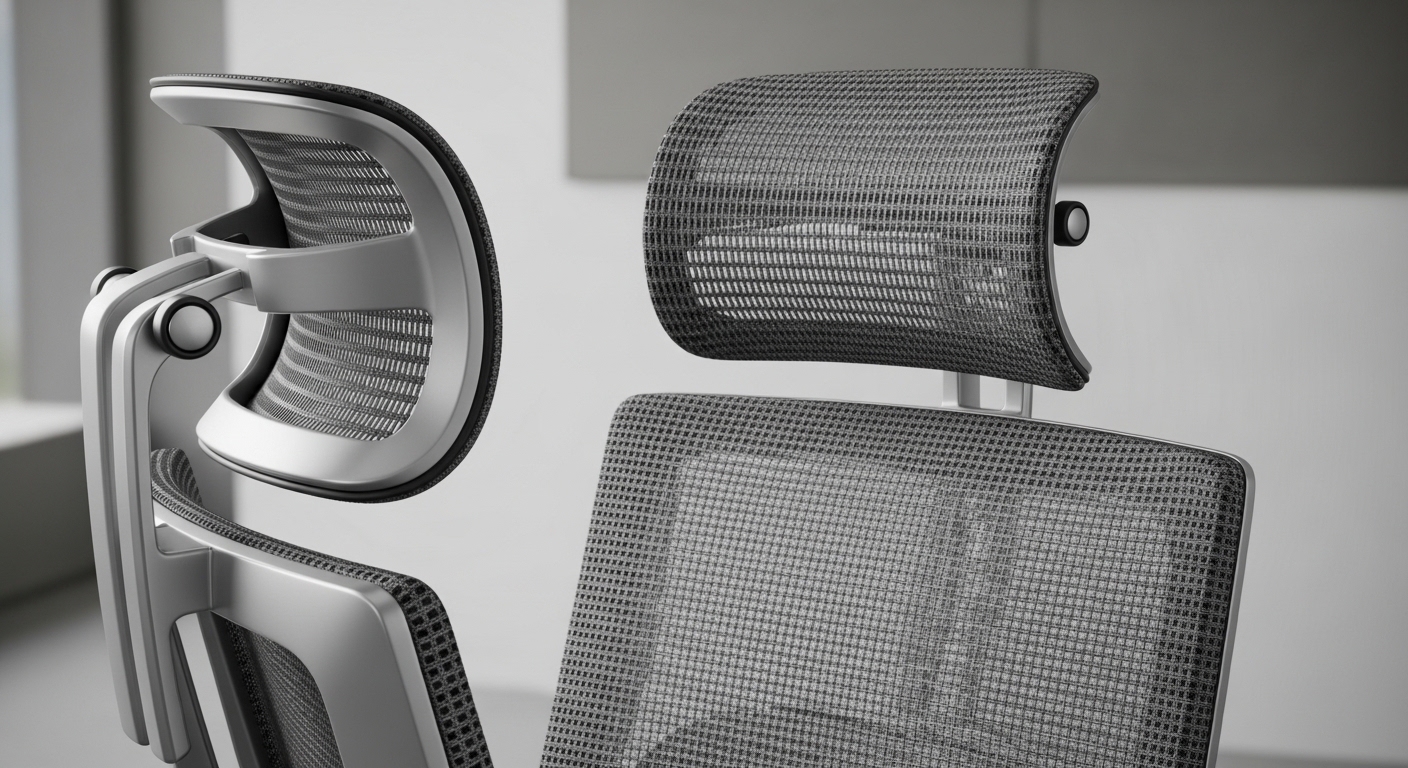
How to Choose an Ergonomic Chair Headrest for Your Setup
Finding the perfect seating solution involves more than just a comfortable cushion. You must understand how to choose an ergonomic chair headrest to ensure long term health.
A headrest serves as a crucial point of support for your cervical spine. It allows your neck muscles to relax during periods of intense focus or brief moments of rest.
Many people assume that every headrest provides the same benefits. This is a common misconception that leads to discomfort and poor posture over time.
A poorly positioned support can actually push your head forward. This creates a condition often referred to as tech neck which causes chronic pain.
In this guide, we will explore the technical details of neck support. We will help you identify the features that matter most for your unique body type.
By the end of this article, you will be an expert on neck ergonomics. You will know exactly what to look for when upgrading your office throne in 2026.
The Importance of Cervical Support in the Workplace
The human head weighs approximately ten to twelve pounds when held in a neutral position. This weight increases significantly as your head tilts forward to look at a screen.
Proper neck support helps redistribute this weight back toward the chair frame. This reduces the mechanical load placed on your upper vertebrae and shoulder muscles.
When you sit for eight hours, your muscles eventually fatigue. A headrest acts as a safety net that catches your head when your posture begins to slump.
It is not meant to be used every second of the work day. Instead, it provides a resting place during phone calls or while reading long documents.
Think of it as a tool for recovery throughout your shift. It prevents the accumulation of tension that leads to tension headaches and stiff shoulders.
Maintaining the Natural Curve of Your Spine
The neck has a natural inward curve called the lordotic curve. A good headrest should nestle into this curve rather than pressing against the back of your skull.
If the support is too high, it will push your chin toward your chest. This creates unnecessary spinal pressure and restricts your breathing slightly over time.
If the support is too low, it may press against your shoulder blades. This forces your upper back into an unnatural arch that causes mid back pain.
The goal is to achieve a neutral alignment where your ears stay over your shoulders. This alignment minimizes the work your muscles must perform to stay upright.
Crucial Adjustment Features for Neck Comfort
Adjustability is the most important factor when evaluating any ergonomic accessory. A static headrest rarely fits more than a small percentage of the population.
You need to look for multiple axes of movement to find your sweet spot. The more adjustment points a headrest offers, the better it will perform for you.
Static designs are often found on budget chairs and should generally be avoided. They prioritize aesthetics over the actual physiological needs of the user.
Always check if the mechanisms lock securely into place once adjusted. A headrest that slips under the weight of your head is useless for support.
Height Adjustability for Personalized Alignment
Height is the primary adjustment that everyone needs to check first. It ensures the support reaches the specific area where your neck meets your head.
Taller users often find that standard headrests sit too low on their shoulders. Shorter users may find the support hits the top of their head instead.
Look for a vertical range of at least three to four inches. This flexibility allows different users to share the same chair without sacrificing ergonomic benefits.
Some premium models use a ratcheting system for height changes. Others use a friction based slide that provides more granular control over the position.
Tilt and Angle Control for Dynamic Movement
The angle of the headrest determines how it interacts with your head as you recline. A tilting mechanism allows the support to follow the motion of your skull.
When you lean back to think, the angle of your neck changes naturally. A tilting headrest stays in contact with your skin to maintain constant support.
Some headrests offer a wide arc of rotation for various activities. You might want a different angle for watching a presentation versus typing a quick email.
Friction hinges are common in this category to allow for easy repositioning. Ensure the hinge is tight enough to hold your head weight without moving unexpectedly.
Understanding Depth and Horizontal Positioning
Depth adjustment refers to how far forward or backward the headrest sits. This is a rare but highly valuable feature in premium ergonomic chairs.
If you prefer to sit very upright, you need a headrest that can move forward. This ensures the support surface reaches your neck without you having to lean back.
Conversely, those who prefer a deep recline need the headrest to stay further back. This prevents the head from being shoved into an uncomfortable forward tilt.
Without depth control, you are often forced to choose between support and your preferred sitting angle. This compromise can lead to neck strain during focused work sessions.
Forward and Backward Range of Motion
A large horizontal range is particularly helpful for people with varying spinal curvatures. It accommodates both flat backs and more pronounced thoracic curves with ease.
Look for designs that use a double jointed arm for maximum reach. This allows the headrest to move in a curved path that mimics your natural movement.
This feature is often the difference between a good chair and a great one. It provides the final level of customization required for a truly bespoke sitting experience.
Material Choices and Breathability for Headrests
The material covering the headrest affects both comfort and temperature regulation. Since your head generates a lot of heat, breathability is a major concern.
Common materials include mesh, foam with fabric, and genuine or synthetic leather. Each material offers a different feel and requires different maintenance levels.
Leather looks professional but can become sweaty during long summer afternoons. It also requires occasional conditioning to prevent the surface from cracking over time.
Fabric provides a soft touch but can trap dust and hair quite easily. It is often the most comfortable choice for those who prefer a plush, pillow like sensation.
The Benefits of Mesh Versus Foam Padding
Mesh is currently the gold standard for high performance office seating. It provides excellent airflow which keeps your neck cool throughout the entire day.
The tension of the mesh creates a suspended feeling that distributes pressure evenly. This prevents pressure points on the back of the head which can be distracting.
Foam padding offers a more traditional and substantial support feel. It is better for users who want a very soft surface to lean against during breaks.
High density foam lasts longer than cheap, soft foam which tends to flatten. If you choose foam, ensure it has a contoured shape to fit your neck.
Integrated Versus Aftermarket Headrest Solutions
You may be deciding between a chair with a built in headrest or adding one later. Both options have benefits depending on your current office setup and budget.
Integrated headrests are designed specifically for the frame of that chair. This ensures a seamless look and guaranteed structural integrity during heavy use.
The downside of integrated units is that they are often less adjustable. Manufacturers sometimes prioritize the design aesthetic over maximum functional range of motion.
Aftermarket or universal headrests offer a way to upgrade an existing chair. They typically clamp onto the top of the backrest using a bracket system.
Evaluating Compatibility and Stability
If you choose an aftermarket model, you must check the thickness of your chair frame. Not all brackets fit every chair brand or specific backrest shape.
Stability is the biggest risk with add on components. A loose bracket can vibrate or creak, which becomes very annoying during quiet work hours.
Check the attachment mechanism for rubber padding to protect your chair from scratches. You do not want to ruin an expensive chair while trying to improve it.
Some brands offer proprietary add ons designed for their most popular models. These provide the best balance of custom fit and easier installation for users.
Choosing a Headrest Based on Your Body Type
Ergonomics is never a one size fits all science. Your height, weight, and shoulder width play a massive role in which headrest will feel comfortable.
Broad shouldered individuals may find narrow headrests restrictive or even painful. They should look for wider surfaces that allow for some side to side head movement.
The shape of your skull also influences how the support feels against your head. A deeply curved headrest might feel restrictive if you have a larger head shape.
Always consider your typical clothing, such as hoodies or high collars, when testing height. These items can add bulk that interferes with the placement of the support.
Considerations for Taller Professionals
Tall users face the greatest challenge when looking for proper neck support. Most standard chairs are built for the average height of the general population.
If you are over six feet tall, you must verify the maximum extension height. A headrest that only reaches your shoulder blades will cause more harm than good.
Look for chairs specifically marketed as high back or executive models. These usually have taller frames that can accommodate a higher mounting point for the headrest.
Some premium brands offer tall versions of their gas cylinders and backrests. These are worth the extra investment to ensure your spine remains healthy and aligned.
Considerations for Shorter Professionals
Shorter users often find that headrests sit too high even at the lowest setting. This can push the head forward into an awkward and painful position.
Look for headrests that have a significant downward adjustment range. Some models can actually slide down behind the shoulders to stay out of the way.
Check the depth of the seat pan in conjunction with the headrest. If the seat is too deep, you cannot reach the headrest without slouching your lower back.
A petite user needs a chair where all components work together in harmony. The headrest is just one piece of a complex ergonomic puzzle for shorter frames.
Budget Considerations and Long Term Value
Headrests can range in price from twenty dollars for basic pads to hundreds for articulated units. Your budget should reflect how much time you spend in your chair.
Inexpensive models often use plastic joints that can wear out or snap. They may also use low quality mesh that sags after only a few months of use.
Middle ground options usually offer height and tilt but lack depth adjustment. These are suitable for the average user who does not have specific neck issues.
High end headrests are built with aluminum components and reinforced pivots. They offer the most precise adjustments and the longest lifespan for serious professionals.
Consider the warranty of the headrest just as you would for the chair itself. A manufacturer that stands behind their components is a sign of a quality product.
The Final Verdict on Neck Support
Understanding how to choose an ergonomic chair headrest is a vital skill for the modern worker. It transforms a standard seat into a comprehensive support system for your body.
Prioritize adjustability over everything else to ensure the support fits your unique frame. Height, tilt, and depth are the three pillars of a perfect neck rest.
Choose materials that match your climate and personal preference for tactile comfort. Mesh is excellent for cooling, while foam provides a traditional soft landing for your head.
Remember that the best headrest is the one you actually use correctly. Take the time to fine tune the position until your neck feels completely relaxed and neutral.
Investing in your physical health at the desk pays dividends in productivity and comfort. Your future self will thank you for the extra care taken today.
Start your search by measuring your sitting height and identifying your primary comfort needs. With the right information, you can find the perfect match for your office chair.