

The Science of Structured Cabling in Home Labs
Establishing a professional home lab requires more than just high performance servers and enterprise switches. The most significant challenge often lies in the physical layer of the network, specifically regarding how you manage the interconnectivity of components within a rack.
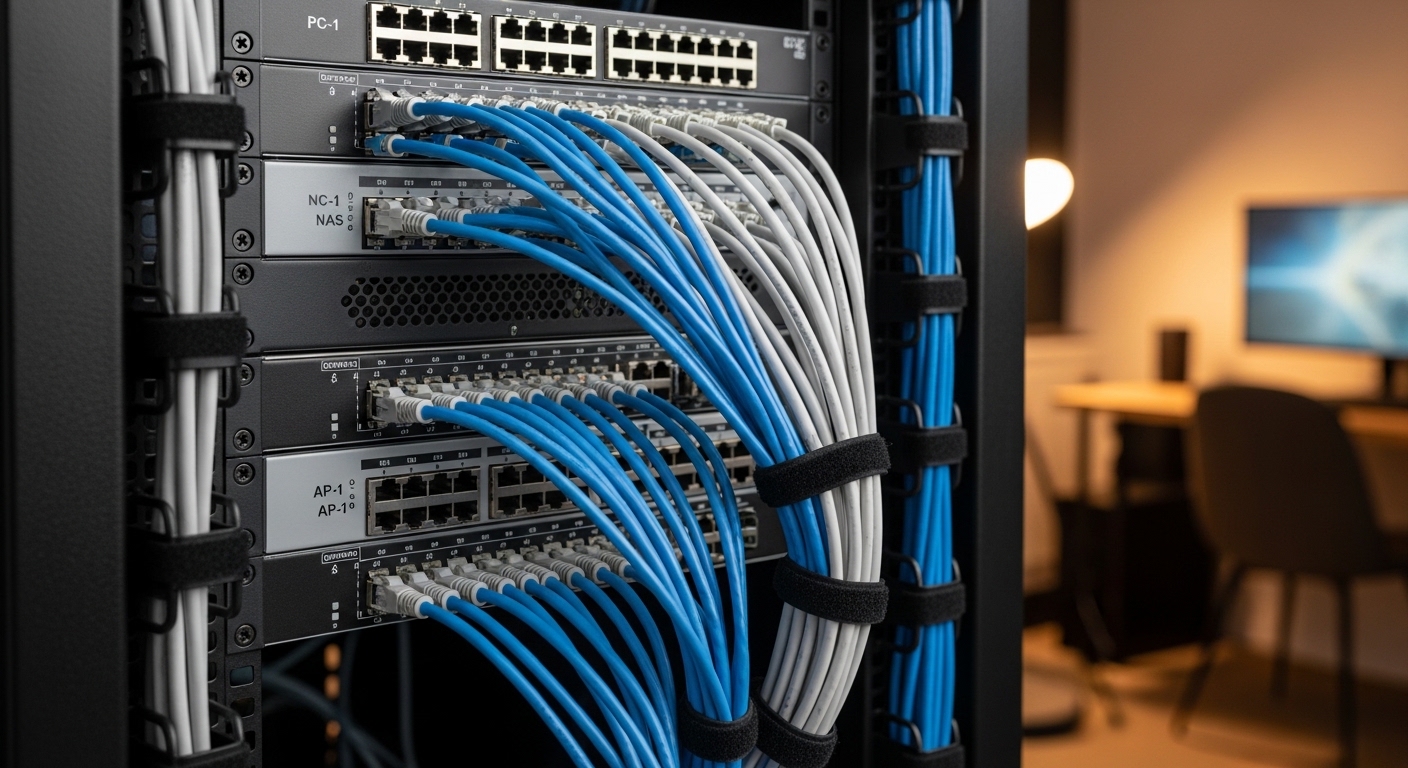
Without a dedicated patch panel, you are forced to run long cables directly from your servers to your switch. This approach creates a messy environment where identifying a specific connection becomes a time consuming task that increases the risk of accidental cable disconnection during maintenance.
A patch panel acts as a static bridge between your stationary cabling and your active networking equipment. By terminating your permanent runs at the back of the panel, you protect the delicate internal circuitry of your switch from physical mechanical stress caused by moving cables.
This organization also extends to your peripherals, ensuring that even connections for specialized hardware like mouse devices or mouses are handled with precision. Structured cabling reduces the likelihood of signal degradation and EMI by keeping high speed data lines separated and properly seated in high quality jacks.
Optimizing Thermal Performance Through Organization
Beyond simple aesthetics, a well organized patch panel significantly improves the thermal profile of your server rack. When cables are allowed to bunch up in front of intake fans, they create significant air blockages that force your server fans to spin faster.
Increased fan speeds lead to higher power consumption and more noise, which is often a critical concern for home lab enthusiasts. By using short patch cables to bridge the gap between the panel and the switch, you maintain a clear airflow path across your entire rack face.
This level of precision is exactly what distinguishes a hobbyist setup from a professional grade environment. In 2026, the complexity of home networks continues to rise, making these foundational infrastructure components more essential than ever before.
Quick Buying Guide
When selecting the ideal patch panel for your home lab, the first decision involves choosing between fixed 110 punch down panels or blank keystone panels. Fixed panels offer a very stable and traditional connection method that is often more cost effective for large scale deployments.
Blank keystone panels provide unparalleled flexibility by allowing you to mix and match different types of connectors. You can easily install RJ45 jacks alongside fiber optic couplers or even HDMI keystone inserts within the same 1U space.
Materials play a vital role in the longevity and reliability of your network infrastructure. Look for panels constructed from heavy duty cold rolled steel to ensure the frame does not bend under the weight of thick shielded cables.
Understanding Shielding and Density
If you are running your home lab in an environment with significant electromagnetic interference, you should consider shielded patch panels. These units feature integrated grounding wires and metal enclosures to protect your data packets from external noise sources.
Density is another factor that determines how much space your organization will occupy in the rack. Standard panels offer 24 ports in a 1U height, which is generally sufficient for most advanced home laboratories and small businesses.
Finally, ensure that the patch panel includes a sturdy cable management bar on the rear. This bar supports the weight of the incoming wires and prevents tension on terminals, which is the leading cause of intermittent connectivity issues.
The 8 Best best rackmount patch panels for home lab organization
Explore our carefully curated selection of the most reliable and efficient patch panels currently available for your professional rack setup.
1. TRENDnet 24 Port Cat6 Unshielded Patch Panel
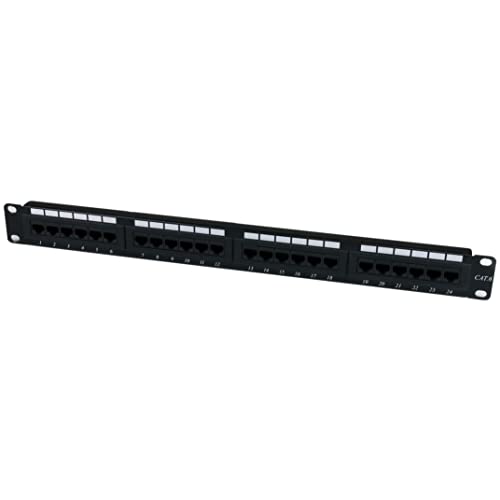
The TRENDnet TC P24C6 stands as a quintessential choice for those seeking a balance of affordability and industrial build quality. This panel is constructed from sturdy black metal that fits perfectly into any standard 19 inch server rack or cabinet.
The front face features clearly numbered ports and white labeling spaces that make it easy to document every connection in your lab. It provides a clean and professional appearance that hides the complex wiring happening behind the scenes.
Technically, this panel supports the Cat6 standard and is fully compatible with Cat5e and Cat5 cabling. The 110 type punch down blocks are color coded for both T568A and T568B wiring schemes to ensure easy installation.
The gold plated contacts minimize signal loss and provide excellent corrosion resistance over years of heavy use. This performance ensures that your high speed 10G or 1G network remains stable even during peak data transfers.
This specific model is best for home labbers who want a straightforward and reliable fixed solution without the added cost of keystone jacks. The main benefit is the simplicity of the punch down process, while the drawback is the lack of modularity if you need to change connector types later.
It is a rugged piece of equipment that handles the stress of frequent cable swaps with ease. Professionals appreciate the consistent contact pressure provided by the high quality IDC terminals.

Maximizing Throughput with Premium Hardware
Selecting the right panel is only the first step in ensuring your network operates at its theoretical maximum speed. The internal wiring of the patch panel must adhere to strict crosstalk standards to prevent packet retransmissions.
2. Cable Matters 24 Port Cat6 Unshielded Patch Panel
Cable Matters has established a strong reputation for producing high quality networking accessories that outperform their price point. This 24 port model features a slim 1U profile and a heavy duty steel construction that prevents any sagging when fully loaded.
The sleek black finish and precise port alignment give it a premium look that complements modern server hardware. It includes integrated cable ties and a rear management bar to keep your bundle of wires neat and organized.
From a performance perspective, this panel is rated for Gigabit Ethernet and supports 10 Gigabit speeds over shorter distances. The 110 punch down blocks are incredibly easy to navigate thanks to the high contrast color coding printed directly on the circuit board.
The dual IDC terminals accept 22 to 26 AWG solid or stranded wires, providing excellent mechanical grip. This versatility is crucial for home labs where various types of bulk cable might be utilized during different project phases.
This product is an excellent fit for users who prioritize cable strain relief and rear organization. The included mounting hardware and cable ties make it a complete kit for anyone starting their first rack build.
While the fixed ports offer less flexibility than keystone versions, the exceptional build quality makes it a very safe investment. It is a workhorse component that rarely fails even in demanding environments.
![Cable Matters [UL Listed] 24 Port Patch Panel Rackmount or Wall Mount 19-Inch, 1U Cat6 Network Patch Panel for 10 Gigabit Ethernet, 110 or Krone Impact Tools Compatible](https://m.media-amazon.com/images/I/41Yp82HtJdL._SL500_.jpg)
3. Ubiquiti UniFi Patch Panel 24 Port Blank Keystone
The Ubiquiti UniFi Patch Panel is designed specifically for users who value the clean and modern aesthetic of the UniFi ecosystem. This blank keystone panel features a beautiful silver finish that matches the texture of UniFi switches and Dream Machine Pros.
The build quality is exceptional, featuring a rigid metal frame that snaps perfectly into any rack. Each port is a modular keystone opening, allowing for a completely customized layout tailored to your specific connectivity needs.
Performance depends on the keystone jacks you choose, but the panel itself provides a seamless grounding path for shielded inserts. The open design allows for excellent airflow between the front and back of the rack when not all ports are filled.
This modularity allows you to mix RJ45, fiber, and coaxial connections in a single 1U row. It solves the problem of having multiple different panels for various media types in a small home lab.
This panel is the ultimate choice for enthusiasts who own other UniFi gear and want a cohesive visual look. It is also ideal for those who frequently change their lab configuration and need the flexibility of keystone jacks.
The primary advantage is the aesthetic match and modularity, while the main downside is the requirement to purchase individual keystone jacks separately. It represents the pinnacle of home lab design for style conscious engineers.

Reducing Interference with Shielded Solutions
Electromagnetic interference can be a silent performance killer in dense home lab environments. Using shielded components helps to isolate your signals from the noise generated by large power supplies and nearby electrical runs.
4. Monoprice 24 Port Cat6 Patch Panel 1U
Monoprice is famous for providing professional grade equipment at consumer friendly prices. This 24 port Cat6 panel is no exception, offering a no nonsense design that focuses entirely on functional performance and durability.
The panel is made of thick steel and features a simple layout with clear port numbering. It is designed for rapid deployment in environments where budget and reliability are the primary concerns.
Technically, it exceeds the TIA/EIA 568B.2 1 standard for Cat6 performance. The 110 type terminals are arranged to provide ample physical space for a punch down tool, reducing the chance of accidental wire damage.
The circuit board is reinforced to handle the physical pressure of the termination process without cracking. This ensures a long service life even if you re terminate cables several times over the years.
This model is best for the budget conscious builder who needs a reliable basic panel that just works. It is perfect for secondary racks or for users who are allocating most of their budget toward active hardware like CPUs and RAM.
The pros include the extremely low price point and solid performance ratings. The cons are the relatively basic appearance and the lack of a rear cable management bracket in the standard package.

5. Tripp Lite 24 Port 1U Rackmount Cat6 Patch Panel
Tripp Lite is a legendary name in the data center industry, and their 24 port Cat6 panel brings enterprise grade reliability to your home office. The N252 024 model features a very heavy duty construction designed to withstand the rigors of professional IT environments.
The front panel includes large, writeable labeling areas above each port for easy identification of your network segments. The ports are spaced precisely to prevent cable crowding and to allow for easy removal of patch cords.
This panel is fully Cat6 rated and supports data transfer speeds of up to 10 Gbps. The IDC blocks are designed for maximum conductivity and provide a very secure mechanical connection for both solid and stranded wires.
It includes a removable rear cable management bar that snaps into place with ease. This bar is essential for maintaining the correct bend radius for your ethernet cables, which prevents internal wire stress.
This panel is best for the serious home labber who wants mission critical reliability and a brand they can trust. It is built to last for decades and can handle thousands of insertion cycles without degrading.
The main benefit is the professional heritage and the inclusion of a high quality management bar. The downside is a slightly higher price compared to generic brands, but the peace of mind is worth the extra cost.

The Importance of Port Density in Small Racks
In many home labs, rack space is at a premium because enthusiasts often use small 6U or 9U wall mount cabinets. High density panels allow you to maximize your connectivity without consuming valuable units needed for servers.
6. Leviton 24 Port Cat6 Patch Panel
Leviton is a premium brand often specified in high end commercial construction and luxury smart homes. Their 24 port Cat6 panel is engineered for superior signal integrity and exceptionally low return loss compared to standard consumer panels.
The design features a unique mounting frame that makes the installation process significantly faster. The aesthetics are clean and professional, featuring a high gloss finish and extremely precise lettering on the port labels.
Performance is where Leviton truly shines, as their components often exceed the minimum requirements for Cat6 by a wide margin. The terminals use proprietary contact technology to ensure a gas tight connection that resists oxidation and thermal expansion.
This panel is designed to handle high bandwidth applications like 4K video streaming and massive file transfers without introducing any jitter or latency. It is the gold standard for users who demand the absolute best electrical performance.
This product is best for the enthusiast who views their home lab as a long term investment and wants the highest quality components available. The pros are the elite electrical performance and ease of installation.
The main drawback is the premium price tag, which may be overkill for a basic lab setup. However, for those running performance sensitive applications, Leviton is a top tier choice.

7. NavePoint 24 Port Cat6 1U Rackmount Patch Panel
NavePoint focuses on the balance between durability and practicality, offering products that are built like tanks. This 24 port Cat6 panel features a ruggedized steel frame that is thicker than many of its competitors in the same price range.
The black powder coated finish is resistant to scratches and fingerprints, keeping your rack looking new even after years of tinkering. It includes numbered port designations on both the front and the back for easier troubleshooting.
The internal circuitry is optimized for high frequency signals, ensuring minimal crosstalk between ports. The 110 IDC terminals are angled slightly to provide a more ergonomic experience during the punch down process.
This design helps to reduce hand fatigue if you are terminating dozens of cables in a single session. The panel is also backward compatible with Cat5e, making it a versatile tool for labs with mixed cabling standards.
This panel is best for the builder who wants a heavy duty feel and a very secure mounting experience. The pros include the superior physical strength and the clear markings for back of rack work.
Some users might find the metal to be almost too heavy for light duty racks, but most will appreciate the extra stability it provides. It is a solid, dependable choice for any rackmount environment.

8. StarTech.com 24 Port Cat6 Patch Panel
StarTech.com is known for their ubiquitous presence in IT closets around the world due to their reliable and well documented products. Their 24 port Cat6 panel is a refined infrastructure component that meets all industry standards for rackmount hardware.
The panel features a low profile design that allows for maximum clearance in tight rack spaces. The white silk screened numbering is very easy to read even in low light conditions inside a server closet.
The punch down blocks are color coded for easy installation and provide a very tactile click when the wire is properly seated. This feedback is essential for ensuring that every connection is perfect on the first try.
The gold plated contacts provide excellent data conductivity and prevent signal drops caused by port wear. It is a highly efficient design that focuses on providing a stable electrical path for your entire network backbone.
This panel is best for IT professionals who want a standardized solution that they already know and trust from their workplace. The pros are the excellent documentation and the very high reliability of the StarTech brand.
The cons are limited, though it lacks some of the decorative features of more expensive aesthetic focused panels. It is a functional and efficient choice for any professional grade home lab.
Comparison
The following table provides a clear overview of how these top tier patch panels compare across key metrics for your home lab.
| Product Name | Key Feature | Best For | Price Range |
|---|---|---|---|
| TRENDnet 24 Port Cat6 Unshielded Patch Panel | Industrial Build | Value Seekers | Budget |
| Cable Matters 24 Port Cat6 Unshielded Patch Panel | Rear Management Bar | Organized Builders | Mid Range |
| Ubiquiti UniFi Patch Panel 24 Port Blank Keystone | Modular Keystone Design | Aesthetic Enthusiasts | Premium |
| Monoprice 24 Port Cat6 Patch Panel 1U | Simple Reliability | Budget Labbers | Low Cost |
| Tripp Lite 24 Port 1U Rackmount Cat6 Patch Panel | Enterprise Heritage | High Reliability | Mid Range |
| Leviton 24 Port Cat6 Patch Panel | Elite Signal Integrity | Performance Purists | Luxury |
| NavePoint 24 Port Cat6 1U Rackmount Patch Panel | Rugged Steel Frame | Heavy Duty Use | Mid Range |
| StarTech.com 24 Port Cat6 Patch Panel | Standardized Quality | IT Professionals | Mid Range |
Final Verdict
After a comprehensive evaluation of these eight rackmount solutions, the Ubiquiti UniFi Patch Panel 24 Port Blank Keystone emerges as the overall best choice for the modern home lab enthusiast. Its modular design allows for unparalleled flexibility, enabling you to mix different connection types in a way that fixed panels simply cannot match.
While it requires the separate purchase of keystone jacks, the ability to upgrade your network to fiber or different categories of ethernet without replacing the entire panel is a huge long term advantage. Furthermore, its sleek silver aesthetic provides the professional, unified look that many home labbers strive to achieve in their rack setups.
For those who prefer a more traditional and cost effective approach, the TRENDnet 24 Port Cat6 Unshielded Patch Panel is the strongest runner up. It offers a rock solid 110 punch down experience with industrial grade build quality that will never let you down during a heavy data transfer.
Whether you choose the modularity of Ubiquiti or the classic reliability of TRENDnet, any of the options on this list will significantly improve your home lab organization and network performance. Investing in a high quality patch panel is the single most effective way to transition from a chaotic cable mess to a professional, high performance server environment.