
The Evolution of Visual Authority in Virtual Meetings
The transition to remote work has fundamentally changed how we perceive professional presence in the modern workspace. While many professionals initially settled for the integrated webcams found in laptops, the limitations of these tiny sensors became apparent as digital meetings became the primary venue for high stakes negotiations.
A standard webcam struggles with dynamic range and low light conditions because its physical sensor size is often no larger than a grain of rice. This leads to digital noise, blown out highlights, and a flat image that lacks the depth necessary to create a commanding presence.
Mirrorless cameras solve this fundamental problem by utilizing massive sensors and interchangeable lenses that allow for a shallow depth of field. This optical phenomenon, known as bokeh, naturally separates the subject from the background to create a look that mimics high end cinema production.
By investing in the right optical hardware, you are not just buying a camera but rather upgrading your professional brand. Superior video quality communicates attention to detail and a commitment to excellence that standard peripherals simply cannot match in the year 2026.
The science of light gathering dictates that a larger sensor will always outperform a smaller one in challenging home office environments. This ensures that even if your lighting is not perfect, the camera can compensate to maintain a clean and professional image for your clients.
Understanding the Technical Shift
The underlying technology in mirrorless systems allows for continuous phase detection autofocus which keeps your eyes sharp even as you move. This eliminates the distracting focus hunting common with older webcam technology or budget camera models.
Modern mirrorless units also feature advanced thermal management systems to ensure they can run for hours during back to back sessions. This reliability is the cornerstone of a professional home office setup where technical failure is not an option.
Quick Buying Guide
When selecting a mirrorless camera for video conferencing, the most critical feature to verify is the presence of a clean HDMI output. This ensures that the video signal sent to your computer does not include any of the icons, battery indicators, or focus boxes that you see on the camera screen.
Without a clean output, your professional presentation will be cluttered with technical data that distracts your audience and looks amateurish. Most modern mirrorless cameras from major brands now include this feature, but it remains vital to confirm before making a substantial investment.
You must also consider the power management strategy for your specific setup since video calls can last for several hours. Look for cameras that support USB Power Delivery through a type C port or those that are compatible with inexpensive dummy battery adapters.
Reliable power ensures that your camera will not shut down in the middle of an important presentation because of a drained internal battery. Furthermore, checking for UVC and UAC compatibility allows some cameras to work as plug and play devices without needing a dedicated capture card.
Lens Selection and Autofocus
The lens you choose is just as important as the camera body itself when aiming for a professional aesthetic. A wide angle prime lens with a fast aperture such as f/1.8 or f/2.8 is ideal for most desk setups where space is limited.
This combination allows you to capture a wide enough view while still blurring the background effectively to hide any clutter in your home office. Reliable face and eye tracking autofocus systems are mandatory to ensure the camera never loses track of you during a lively discussion.
The 8 Best Mirrorless Cameras for Professional Video Calls
Explore the top tier selections for elevating your visual presence during every virtual interaction.
1. Sony ZV E10 II
The Sony ZV E10 II represents a significant leap forward in the creator focused camera category by offering a large APS C sensor in a remarkably compact body. Its build quality is robust yet lightweight, making it easy to mount on even the most basic desk tripods or monitor arms without causing stability issues.
This camera excels in professional scenarios thanks to its advanced 26 megapixel sensor and the inclusion of the latest Sony autofocus algorithms. It features a dedicated background defocus button that allows users to toggle between a sharp background and a creamy blur with a single press during live calls.
This device is best for professionals who want a simple transition into the world of high end video without a steep learning curve. The main pros include its incredible autofocus and compact size, while the primary con is the lack of an electronic viewfinder for traditional photography.

Practical Performance Metrics
The inclusion of a high capacity battery in this second generation model ensures that you can handle longer meetings with ease. Its menu system has been redesigned for touch navigation, which simplifies the process of adjusting settings while the camera is mounted behind a desk.
2. Canon EOS R10
The Canon EOS R10 brings the legendary color science of the EOS line into a highly accessible and lightweight mirrorless package for home office users. Its design focuses on ergonomics, providing a comfortable grip and intuitive button placement that feels familiar to anyone who has used a traditional camera.
Technical performance is anchored by the Dual Pixel CMOS AF II system, which covers almost the entire frame to ensure your face stays in focus at all times. The camera supports 4K video oversampled from 6K, resulting in a crisp image that looks spectacular on high resolution monitors during executive calls.
This model is ideal for users who prioritize natural skin tones and a user friendly interface that does not require extensive technical knowledge. The pros include excellent color reproduction and a great kit lens, but the limited selection of native RF S lenses is a notable downside.

3. Panasonic Lumix GH6
The Panasonic Lumix GH6 is a powerhouse designed for those who require absolute reliability and professional grade video features in their daily workflow. It features a magnesium alloy frame that is dust and splash resistant, reflecting its status as a tool built for heavy duty use in various environments.
At the heart of the GH6 is a Micro Four Thirds sensor that is optimized for video, featuring a built in cooling fan to prevent overheating during indefinite run times. This makes it one of the few cameras in its class that can truly stay on for an entire workday without any risk of thermal shutdown.
Professional broadcasters and dedicated streamers will find the GH6 to be the ultimate solution for their video conferencing needs. While the body is larger than its competitors, the sheer amount of video controls and the cooling system make it a top tier choice for stability.

Advanced Thermal Management
The active cooling system allows you to record or stream at high bitrates without worrying about the environmental temperature of your office. This camera is a workhorse that bridges the gap between consumer electronics and professional cinema equipment.
4. Sony Alpha a6700
The Sony Alpha a6700 integrates a dedicated AI processing unit that takes subject recognition and tracking to a level previously unseen in the APS C camera market. The build quality is premium, featuring weather sealing and a refined grip that makes it feel like a professional tool rather than a toy.
Its technical performance is defined by its ability to recognize not just eyes, but also human poses to maintain focus even if you turn your head or move around your office. The 26 megapixel sensor produces exceptionally clean images with wide dynamic range, which is perfect for offices with bright windows.
This camera is the perfect choice for the tech enthusiast who wants the absolute best autofocus technology currently available in a small form factor. The main pro is the AI driven tracking, while the price point is slightly higher than other APS C options on the market.

Sony Alpha a6700 Mirrorless Camera with E PZ 16-50mm f/3.5-.6 OSS II Lens
Check Price on Amazon
5. Fujifilm X S20
The Fujifilm X S20 stands out by offering a unique aesthetic through its famous film simulation modes which apply professional color grading directly to the live feed. The camera is designed with a deep grip and a simplified dial layout that caters to both photographers and video centric users.
Technically, the X S20 is a beast that offers 6.2K internal recording and a specialized vlog mode that optimizes settings specifically for face to face video. It also functions as a high quality webcam via a simple USB C connection without the need for additional software or capture cards.
This device is best for the creative professional who wants their video calls to have a distinct, artistic look without spending hours on color grading. The film simulations are a huge pro, though the autofocus can occasionally be less snappy than the industry leading Sony systems.

Fujifilm X-S20 Mirrorless Digital Camera XF16-50mmF2.8-4.8 R LM WR – Black
Check Price on Amazon
Artistic Visual Presentation
Using the film simulations allows you to match the mood of your professional brand, whether you want a classic documentary look or a modern high contrast vibe. This level of customization adds a layer of sophistication to your virtual presence that other brands struggle to emulate.
6. Nikon Z30
The Nikon Z30 was designed from the ground up for those who primarily use their camera for video and content creation rather than traditional still photography. It omits the electronic viewfinder to keep the body as small as possible, which is a perfect design choice for a permanent desk installation.
It features a large tally light on the front so you always know when you are live, and its built in stereo microphone is surprisingly capable for casual calls. The camera delivers beautiful 4K video and utilizes the Nikon Z mount, which provides access to some of the sharpest lenses available today.
Entry level professionals will appreciate the Z30 for its simplicity and the high quality of the Nikon optics available for the system. The pros are its price and compact nature, but the absence of a viewfinder makes it less versatile for outdoor photography in bright light.

7. Panasonic Lumix S5 II
The Panasonic Lumix S5 II is a full frame masterpiece that introduced phase hybrid autofocus to the Lumix lineup, solving the focus hunting issues of previous models. The camera feels incredibly solid in the hand and features an active cooling system hidden within the viewfinder hump to ensure long term reliability.
The full frame sensor provides a level of depth and low light performance that APS C cameras cannot match, making your video calls look like high budget film productions. It also supports direct streaming and has a full size HDMI port, which is much more durable than the micro HDMI ports found on smaller cameras.
This camera is the definitive choice for executives and professionals who want the absolute highest image quality possible for their home office. The full frame sensor is a massive pro for image quality, although the body and lenses are significantly heavier and more expensive.

The Full Frame Advantage
Moving to a full frame sensor allows you to achieve a much wider field of view without the distortion typically associated with smaller sensors. This creates a more natural and flattering perspective for your face during close up video conferencing sessions.
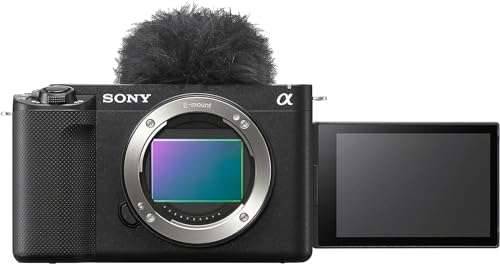
8. Sony ZV E1
The Sony ZV E1 is the world’s most compact full frame camera with interchangeable lenses, specifically designed to be the ultimate vlogging and streaming tool. It uses the same high end sensor found in the much more expensive A7S III, providing legendary low light performance and extremely clean video.
It features advanced AI features like auto framing, which can automatically crop the image to keep you centered as you move around your desk. This creates a dynamic viewing experience for your audience that usually requires a dedicated camera operator to achieve during a live presentation.
This camera is for the professional who demands the pinnacle of technology and is willing to pay a premium for the best low light performance in existence. The AI framing is a revolutionary pro, while the high price and single card slot are the main trade offs to consider.
Comparison
Compare the technical specifications and ideal use cases for these elite mirrorless devices to find the perfect match for your home office needs.
| Product Name | Key Feature | Best For | Price Range |
|---|---|---|---|
| Sony ZV E10 II | Background Defocus | Entry Professionals | Mid Range |
| Canon EOS R10 | Dual Pixel AF II | Natural Skin Tones | Entry Range |
| Panasonic Lumix GH6 | Internal Cooling Fan | All Day Meetings | Mid Range |
| Sony Alpha a6700 | AI Subject Tracking | Tech Enthusiasts | High End |
| Fujifilm X S20 | Film Simulations | Creative Style | Mid Range |
| Nikon Z30 | Tally Light | Budget Focused | Entry Range |
| Panasonic Lumix S5 II | Full Frame Phase AF | Executive Quality | High End |
| Sony ZV E1 | Ultra Low Light AI | Premium Streaming | Premium |
Final Verdict
After a rigorous analysis of the current market, the Sony Alpha a6700 stands as the most balanced and capable option for the majority of professionals. Its combination of AI driven autofocus, a high resolution APS C sensor, and a compact form factor ensures that your video calls will always look sharp and professional without the bulk of a full frame system.
However, if your primary goal is to achieve the absolute highest image quality regardless of price, the Panasonic Lumix S5 II is the superior choice for a permanent home office installation. Its full frame sensor and active cooling system provide a level of visual depth and reliability that remains unmatched for long, high stakes professional video calls.