

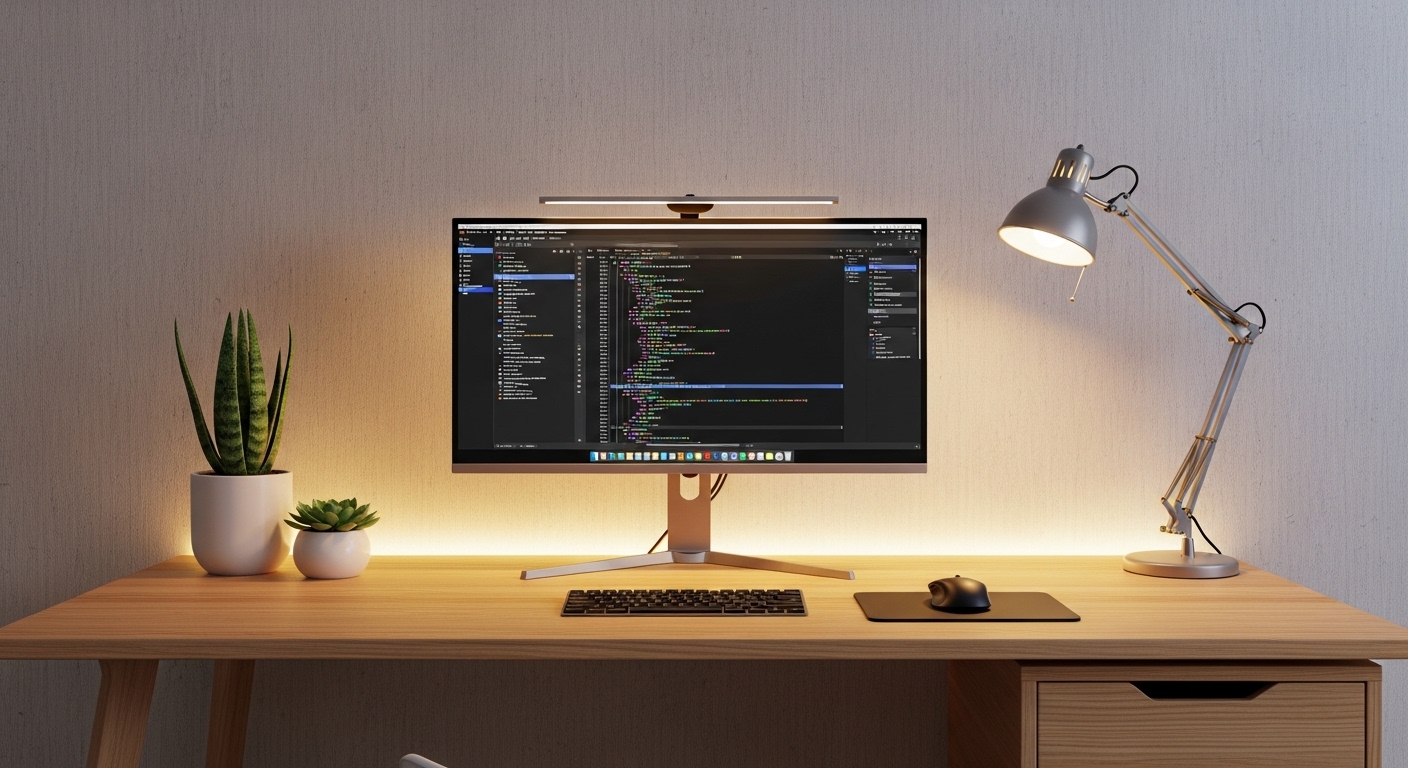
The Importance of Digital Real Estate
In the modern era of remote work, your screen is the most important tool in your arsenal. It acts as the primary interface between your cognitive efforts and the digital output you produce every day.
Many professionals overlook the impact of screen dimensions on their mental clarity and physical comfort. Selecting the wrong size can lead to eye strain or a cluttered digital workspace that hinders focus.
This comprehensive guide explores the nuances of choosing the right monitor size for office productivity to help you optimize your setup. We will examine how different dimensions affect your ability to manage multiple windows and complex data sets.
Defining Your Unique Workspace Needs
Before purchasing a new display, you must evaluate the specific nature of your daily tasks. A software developer requires a different visual layout compared to a financial analyst or a creative writer.
Large screens allow for side by side windows which are essential for comparing documents or referencing data. If your work involves deep focus on a single document, a massive screen might actually prove distracting.
Consider the physical limitations of your desk environment as well. A giant display on a shallow desk can cause significant neck discomfort over long periods of time.
The Standard Twenty Four Inch Monitor
The 24 inch monitor remains a staple in corporate environments across the globe. It offers a compact footprint that fits easily onto smaller desks or within narrow cubicles.
For many users, this size provides a familiar and comfortable view for standard office applications like email and word processing. It is often the most affordable entry point for a professional home office setup.
However, the limited horizontal space often forces users to toggle between tabs frequently. This constant switching can disrupt your flow state and lead to minor delays throughout the workday.
If you choose this size, consider a dual monitor configuration. Two smaller screens can often provide more flexibility for multitasking than a single medium sized display.
The Twenty Seven Inch Sweet Spot
Many tech experts believe the 27 inch display is the gold standard for modern productivity. This size offers a substantial increase in viewing area without overwhelming the user or the desk.
It provides enough room to display two full size windows or documents simultaneously. This capability is essential for research tasks where you must view a source and a draft at once.
When moving to this size, resolution becomes a critical factor to consider. A 1440p resolution on a 27 inch panel creates a perfect pixel density for reading text without visible pixelation.
Users often find that this specific size reduces the need for constant scrolling. This efficiency gain helps in maintaining high productivity levels during long work sessions.
The Rise of Thirty Two Inch Displays
As we look toward the year 2026, larger screens are becoming increasingly common in home offices. A 32 inch monitor provides a cinematic experience that can be highly beneficial for data intensive roles.
This size is particularly useful for professionals who manage massive spreadsheets or complex project management boards. The vast visual canvas allows you to see more columns and rows without zooming out.
At this scale, a 4K resolution is almost mandatory to maintain clarity. Without high resolution, the text may appear blurry because the pixels are spread over a larger physical area.
You must ensure your desk is deep enough to accommodate such a large screen. Sitting too close to a 32 inch panel can lead to increased eye fatigue and unnecessary head movement.
Understanding Viewing Distance and Ergonomics
Ergonomics should always be at the forefront of your decision making process. The distance between your eyes and the screen dictates the ideal monitor dimensions for your specific health needs.
A general rule suggests your screen should be at least an arm length away from your face. If you have a shallow desk, a smaller monitor is safer for your long term vision health.
Larger screens often require the user to move their head from side to side. This repetitive motion can cause strain in the neck and upper back muscles over several hours.
Adjustable monitor arms can help mitigate some of these issues by allowing for precise height and tilt. Proper positioning ensures that the top of the screen is at or slightly below eye level.
Ultrawide Monitors and Aspect Ratios
The traditional 16 by 9 aspect ratio is being challenged by ultrawide alternatives. These screens typically feature a 21 by 9 ratio which provides extra horizontal space for extra windows.
Ultrawide displays are excellent for creative professionals who use timelines or wide toolbars. They eliminate the gap between dual monitors which creates a more seamless and immersive viewing experience.
Many users find that a single 34 inch ultrawide replaces the need for two smaller screens. This simplifies cable management and provides a cleaner aesthetic for your desk while maintaining high utility.
However, some software may not scale perfectly to these wider formats. You should verify that your frequently used applications support wide aspect ratios before making the switch.
The Impact of Pixel Density on Text Clarity
Size is only one part of the equation when choosing a monitor. Pixel density, often measured in pixels per inch, determines how sharp the text looks on your screen.
A large screen with low resolution will result in jagged edges on letters. This can lead to significant eye strain as your brain tries to compensate for the lack of clarity.
For office work, a density of around 110 to 140 pixels per inch is usually ideal. This range ensures that UI elements are readable without the need for extreme software scaling.
High resolution displays allow you to fit more content on the screen at the same physical size. This is why a 27 inch 4K monitor can sometimes feel more spacious than 1080p counterparts.
Dual Monitor Setups vs Single Large Screens
The debate between using two monitors or one large display is ongoing among tech enthusiasts. Dual monitors offer physical separation of tasks which can help with mental organization.
You can dedicate one screen to communication tools like email or chat while using the other for primary work. This clear boundary between functions can help prevent distractions during deep work phases.
On the other hand, a single large screen offers a unified workspace without a bezel in the middle. Modern operating systems offer advanced window snapping features to organize your layout on a single panel.
Single displays also consume fewer ports on your computer and fewer power outlets. This leads to a more organized workspace with fewer cables cluttering your desk surface.
Considering Curved Panels for Large Sizes
Once you move beyond 30 inches, you might encounter curved monitor options. A slight curve helps keep the edges of the screen within your peripheral vision.
This design reduces the distance your eyes must travel to see the corners of the display. It creates a more ergonomic viewing angle by maintaining a consistent distance from your eyes to every part of the screen.
For standard office work, a subtle curve is usually preferred over an aggressive gaming curve. It helps in reducing glare from windows or overhead lights in your home office.
Some users find that curved screens make straight lines appear slightly distorted. This is a minor concern for spreadsheets but might be relevant for architectural drawing or precision graphic design.
Color Accuracy and Panel Technology
While size is the focus, the panel technology affects how that size is perceived. In Plane Switching panels are generally preferred for office work due to their excellent viewing angles.
This technology ensures that colors and brightness remain consistent even if you are not looking at the screen perfectly straight. This is vital for maintaining visual comfort on very large or wide displays.
Vertical Alignment panels offer better contrast but might have narrower viewing angles. This can lead to color shifting at the edges of a large monitor, which is distracting for many professionals.
Matte coatings are also beneficial for office environments as they diffuse annoying reflections from lamps. A clear view of your workspace is essential for maintaining focus throughout the day.
Future Trends in Monitor Dimensions
We are seeing a move toward taller aspect ratios like 16 by 10 or 3 by 2. These formats provide more vertical space which is incredibly helpful for reading long documents or lines of code.
As display technology evolves, the borders around screens are becoming almost invisible. This allows for larger screen sizes within the same physical footprint as older, smaller models.
Modular displays that can be stacked vertically are also gaining popularity in high end setups. These configurations offer a new way to manage massive amounts of information without taking up massive desk width.
Innovations in blue light reduction are making large screens safer for your eyes over long durations. This allows professionals to work longer without experiencing the typical fatigue associated with bright displays.
Practical Tips for Implementation
- Measure your desk depth before selecting a monitor larger than 27 inches.
- Check if your computer hardware supports the resolution of a new large screen.
- Use a monitor arm to reclaim desk space and improve ergonomic height.
- Consider your eyesight and whether you prefer larger text or more screen real estate.
- Test different sizes at a local store to see how they feel in your peripheral vision.
Frequently Asked Questions
Is a 32 inch monitor too big for a home office?
It depends entirely on your desk depth and the tasks you perform daily. If you have at least 30 inches of desk depth, a 32 inch screen can greatly enhance your productivity without causing strain.
What is the best resolution for a 24 inch monitor?
For a 24 inch display, a resolution of 1920 by 1080 is the standard. This provides a decent balance of clarity and performance for most basic office tasks and budget friendly setups.
Should I choose two 24 inch monitors or one 34 inch ultrawide?
An ultrawide monitor offers a more seamless experience without a center bezel. However, dual monitors provide better physical window management if you prefer having distinct areas for different applications.
Conclusion
Choosing the right monitor size for office productivity is a personal journey that depends on your workflow and physical environment. There is no one size fits all solution for every professional.
By balancing size, resolution, and ergonomics, you can create a workspace that supports your goals. Invest time in researching your specific needs to ensure your home office remains a place of efficiency and comfort.