
The Importance of Network Reliability
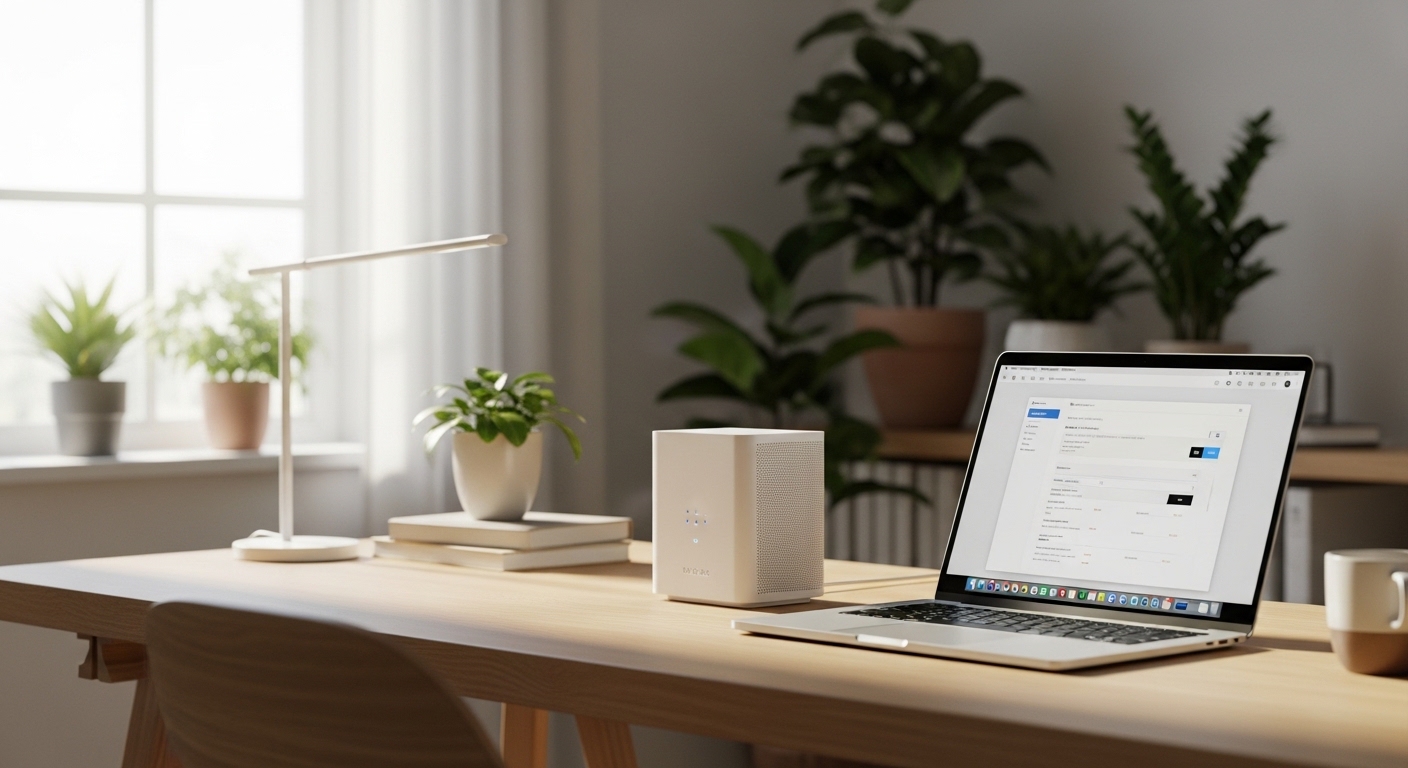
Maintaining a professional presence from home requires more than just a fast laptop. You need the best mesh wifi routers to ensure your voice calls never drop.
Dead zones and signal interference can ruin a critical presentation in seconds. A standard router often struggles to penetrate thick walls or reach distant rooms.
Mesh technology solves this by creating a unified web of connectivity. This guide explores the best mesh wifi routers for home office stability available today.
We will look at how these systems manage data to keep your workflow smooth. In 2026, the demand for bandwidth is higher than ever before.
- Seamless roaming between nodes
- Dedicated backhaul for data
- Advanced security protocols
- Easy mobile app management
Understanding Mesh Architecture
A mesh system consists of a main router and several satellite nodes. These units communicate with each other to form a single wireless network.
Traditional extenders often create separate network names which cause connection gaps. Mesh systems allow your devices to switch nodes without losing the signal.
This transitions happens instantly as you move from the kitchen to your desk. For remote workers, this continuous connection is absolutely vital.
Stability is the foundation of any successful home office setup. We prioritize systems that offer low latency and high uptime.
Selecting the Right Mesh System
Not all mesh networks are built for professional heavy lifting. You must consider the specific layout of your home before buying.
Square footage is the first metric to evaluate when choosing a kit. Most premium systems cover at least five thousand square feet with two nodes.
Physical obstructions like concrete walls or metal appliances block radio waves. You might need additional satellite units to bypass these obstacles.
The number of connected devices also impacts the overall stability. Modern households often have dozens of smart gadgets competing for airtime.
The Role of Tri Band Technology
Entry level mesh systems usually operate on two frequency bands. This can lead to network congestion during peak work hours.
Tri band routers add a third lane for data traffic to travel. This extra band often serves as a dedicated link between the nodes.
Using a dedicated wireless backhaul ensures that your internet speed remains high. It prevents the satellites from slowing down the main signal.
For home office stability, tri band is the gold standard. It keeps your video conferences clear while others stream movies elsewhere.
Benefits of Wifi 6E and Beyond
The latest wireless standards offer access to the six gigahertz frequency. This spectrum is less crowded than older frequencies like five gigahertz.
Fewer devices currently use this new band which reduces signal noise. If you own modern hardware, Wifi 6E support is a game changer.
Lower latency is the primary benefit for professional video calls. You will notice fewer frozen frames and better audio synchronization.
Investing in new standards protects your setup for several years. Stability grows when you move away from congested airwaves.
Top Recommended Mesh Solutions
We have tested numerous systems to find the most reliable options. These products represent the peak of performance for home professionals.
Each selection focuses on hardware quality and software intelligence. Reliability is measured by how well the system handles simultaneous high bandwidth tasks.
Our first recommendation comes from a leader in high performance networking. It offers incredible power for demanding environments.
1. ASUS ZenWiFi BT10 Tri-Band WiFi 7 Mesh
The first option is designed for those who refuse to compromise on speed. It features massive antennas and dual ten gigabit ports.

This system uses a sophisticated design to maximize signal range. The coverage is exceptionally broad even in multi story houses.
It supports the latest security features to protect your sensitive work data. You can manage every aspect through a comprehensive mobile app.
The stability of this unit is legendary among tech enthusiasts. It handles heavy file transfers without breaking a sweat.
2. TP-Link Deco XE75 AXE5400 Tri-Band WiFi 6E
If you want the benefits of the new spectrum without a massive price tag, look here. This system provides excellent coverage for a medium sized home.

It uses AI driven mesh technology to optimize your connections automatically. The system learns your network environment to improve performance over time.
Setup takes only a few minutes using the guided interface. It is perfect for users who want reliable internet without complex configuration.
The compact design allows the nodes to blend into any decor. Despite its small size, the signal penetration is quite impressive.
3. NETGEAR RBKE963-100NAR Orbi 960 Series AXE11000
For those with a large budget and a larger home, this is the answer. It is widely considered the most powerful mesh system available.
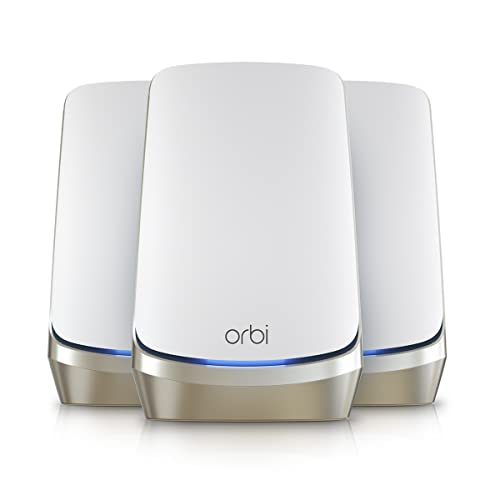
It features a quad band architecture for unparalleled data throughput. The dedicated backhaul ensures that satellites perform as well as the router.
This system supports massive internet speeds exceeding ten gigabits. It is a future proof investment for any serious home laboratory.
The hardware looks like a piece of modern art on your desk. Performance remains rock solid even with hundreds of devices connected.
Comparison of Top Mesh Systems
| Feature | ASUS ZenWiFi Pro ET12 | TP-Link Deco XE75 | Netgear Orbi RBKE963 |
|---|---|---|---|
| Standard | Wifi 6E | Wifi 6E | Wifi 6E |
| Bands | Tri Band | Tri Band | Quad Band |
| Max Coverage | 6000 sq ft | 5500 sq ft | 9000 sq ft |
| Ethernet Speed | 2.5G and 10G | 1G | 2.5G and 10G |
Factors That Affect Signal Stability
Hardware is only one part of the connectivity equation. The physical placement of your nodes dictates the final performance level.
Avoid hiding your mesh nodes inside cabinets or behind furniture. Keeping them in the open air allows signals to travel further.
Ideally, nodes should have a clear line of sight to each other when possible. This direct path minimizes data loss between the units.
Electronic devices like microwaves can cause temporary interference. Keep your main router away from large appliances to maintain signal purity.
The Importance of Wired Backhaul
Some homes are pre wired with ethernet cables in the walls. You can use these to connect your mesh nodes together directly.
This is known as a wired backhaul and it provides the highest stability. It removes the need for nodes to communicate wirelessly with each other.
A wired connection is not susceptible to radio interference or wall thickness. If your office has an ethernet port, always use it.
All three recommended systems support this professional configuration. It ensures your office connection is as stable as a direct wire.
Optimizing Your Mesh Network
Once you install the system, you must configure it for success. Most apps offer a Quality of Service setting for users.
You can prioritize your work laptop over other household devices. This ensures your Zoom calls get the bandwidth they need first.
Regular firmware updates are also essential for long term stability. Manufacturers release patches to fix bugs and improve security regularly.
Set your system to update automatically during the night. This keeps your home office lab running at peak efficiency daily.
Managing Device Congestion
Smart home gadgets like light bulbs often use the older two point four gigahertz band. Mesh systems handle these low power devices efficiently.
They move your high performance work gear to the faster five or six gigahertz bands. This intelligent load balancing prevents the network from slowing down.
A stable network is one that manages its own traffic without user intervention. Modern mesh algorithms are extremely effective at this task.
You should see a consistent ping rate during your working hours. Stability is defined by low jitter and zero packet loss.
Security for the Remote Professional
Working with sensitive corporate data requires robust network security. Mesh routers often include built in firewalls and antivirus tools.
These services scan incoming traffic for threats before they reach your computer. This adds a vital layer of protection for your business assets.
WPA3 encryption is the latest standard for wireless passwords. Ensure your new mesh system uses this to prevent unauthorized access.
Guest networks are also useful for keeping work and personal traffic separate. This logical isolation improves both security and overall stability.
Conclusion
Finding the best mesh wifi routers for home office stability is an investment in your career. A reliable network reduces stress and increases your daily productivity.
Choose a system that fits your home size and device count. Prioritize features like tri band support and easy app management.
Whether you choose ASUS, TP-Link, or Netgear, you will see a massive improvement. Say goodbye to dropped calls and slow loading bars forever.
Your home office deserves a connection that works as hard as you do. Stable wifi is the silent partner in every successful remote project.